
Physiotherapy after a car accident helps restore movement, reduce pain, and rebuild strength following injuries like whiplash, soft tissue damage, or reduced mobility from a motor vehicle collision. In NSW, this treatment is usually funded through a CTP (Compulsory Third Party) insurance claim rather than paid for directly, which means there's a specific process to …

Physiotherapy after a car accident helps restore movement, reduce pain, and rebuild strength following injuries like whiplash, soft tissue damage, or reduced mobility from a motor vehicle collision. In NSW, this treatment is usually funded through a CTP (Compulsory Third Party) insurance claim rather than paid for directly, which means there’s a specific process to follow before treatment can start. This guide walks through that process, what treatment typically involves, and what a home visit looks like if getting to a clinic isn’t practical.
Steps to get started in NSW
- Report the accident and lodge a CTP claim with the relevant insurer as soon as possible after the collision.
- See a GP or treating doctor early on. A medical assessment is a standard part of most CTP claims and often supports the insurer’s decision to approve treatment, even though you don’t need a referral in the Medicare sense to book a physiotherapist.
- Insurer approval covers ongoing treatment. A provider will usually submit an Allied Health Treatment Request (AHTR) after your first consultation, and some early intervention treatment may be possible before that formal approval comes through, depending on the insurer.
- Once approved, sessions are billed directly to the insurer, so there’s typically no out-of-pocket cost to you while the claim is active.
What treatment involves
- An initial consultation to assess the injury, movement restrictions, and pain levels, and to set a treatment plan.
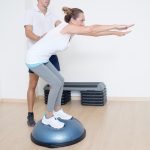
- Subsequent sessions focused on restoring range of motion, reducing pain, and rebuilding strength, most commonly for whiplash, neck and back pain, or soft tissue injuries.
- Ongoing reporting back to the insurer or rehab consultant as treatment progresses, since CTP funding is reviewed rather than open-ended.
What a home visit looks like
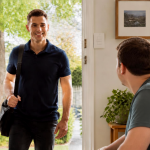
For people who aren’t able to drive or travel comfortably after an accident, physiotherapy can be delivered at home instead of in a clinic. A home visit generally includes the same initial assessment and treatment plan as a clinic appointment, just delivered wherever you’re based.
Finding a provider in Sydney
If you’re searching for a CTP physiotherapist in Sydney, it’s worth checking a few things before booking: whether they offer home visits if you need one, whether they’ll handle the AHTR submission and insurer communication for you, and whether they can quote their fee schedule in writing to support your claim. Bayside Mobile Physio provides in-home CTP physiotherapy across Greater Sydney, working directly with insurers on approvals and invoicing so the admin side isn’t left to you while you’re recovering.
Frequently asked questions
Do I need a GP referral for CTP physiotherapy in NSW? You don’t need a referral in the Medicare sense to book a physiotherapist, but seeing a GP or treating doctor early is a standard part of most CTP claims and typically supports the insurer’s approval.
How long does CTP approval take before treatment can start? This varies by insurer. A provider submitting the Allied Health Treatment Request promptly after your first consultation can help avoid unnecessary delays, and some early intervention treatment may be possible before formal approval, depending on the insurer.
Will I have to pay for physiotherapy myself? Once the insurer approves treatment, sessions are billed directly to them. You should confirm this directly with your provider before your first appointment.
Can physiotherapy be done at home instead of in a clinic? Yes. Home visits are available for people who find travel difficult after an accident, with a separate travel fee typically applying under CTP funding.
What does an initial CTP physiotherapy consultation cover? A full assessment of the injury, movement, and pain, plus a treatment plan tailored to your recovery goals and the insurer’s approval.
For the full detail on our CTP fee schedule and how the claims process works with us, see CTP Physiotherapy Sydney.
This article is general information about the CTP physiotherapy process in NSW and doesn’t replace advice specific to your claim. Confirm current approval requirements and coverage with your insurer and provider.
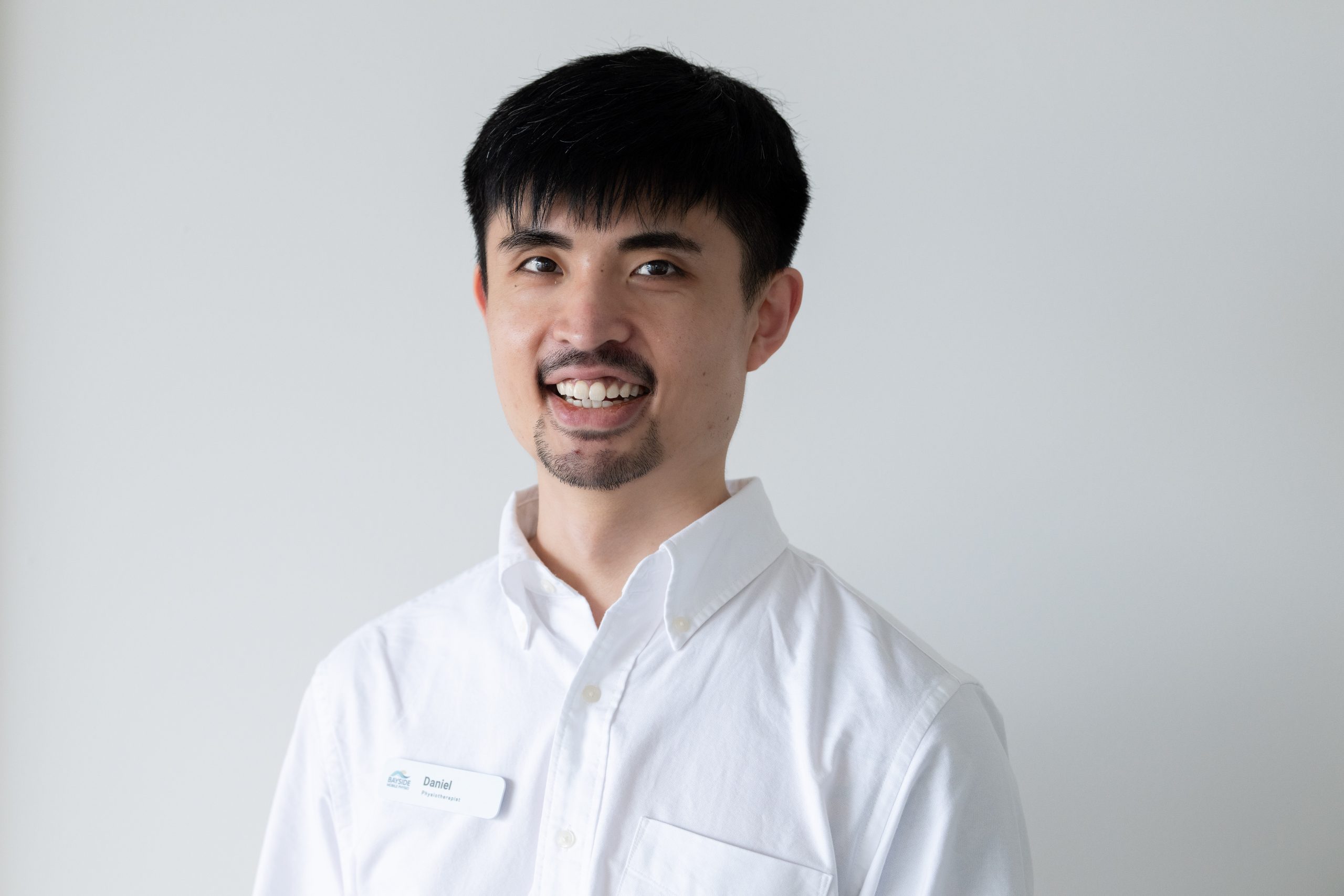
Daniel Chong, BPhty (Australian Catholic University), is an AHPRA-registered physiotherapist and the founder of Bayside Mobile Physio.