

NDIS-funded physiotherapy for a traumatic brain injury (TBI) provides targeted physical rehabilitation to improve movement, reduce pain, and increase independence in daily life. Recovery looks different for everyone depending on the severity and stage of injury, but consistent, well-targeted physiotherapy is one of the most effective ways to rebuild function and confidence day to day. …
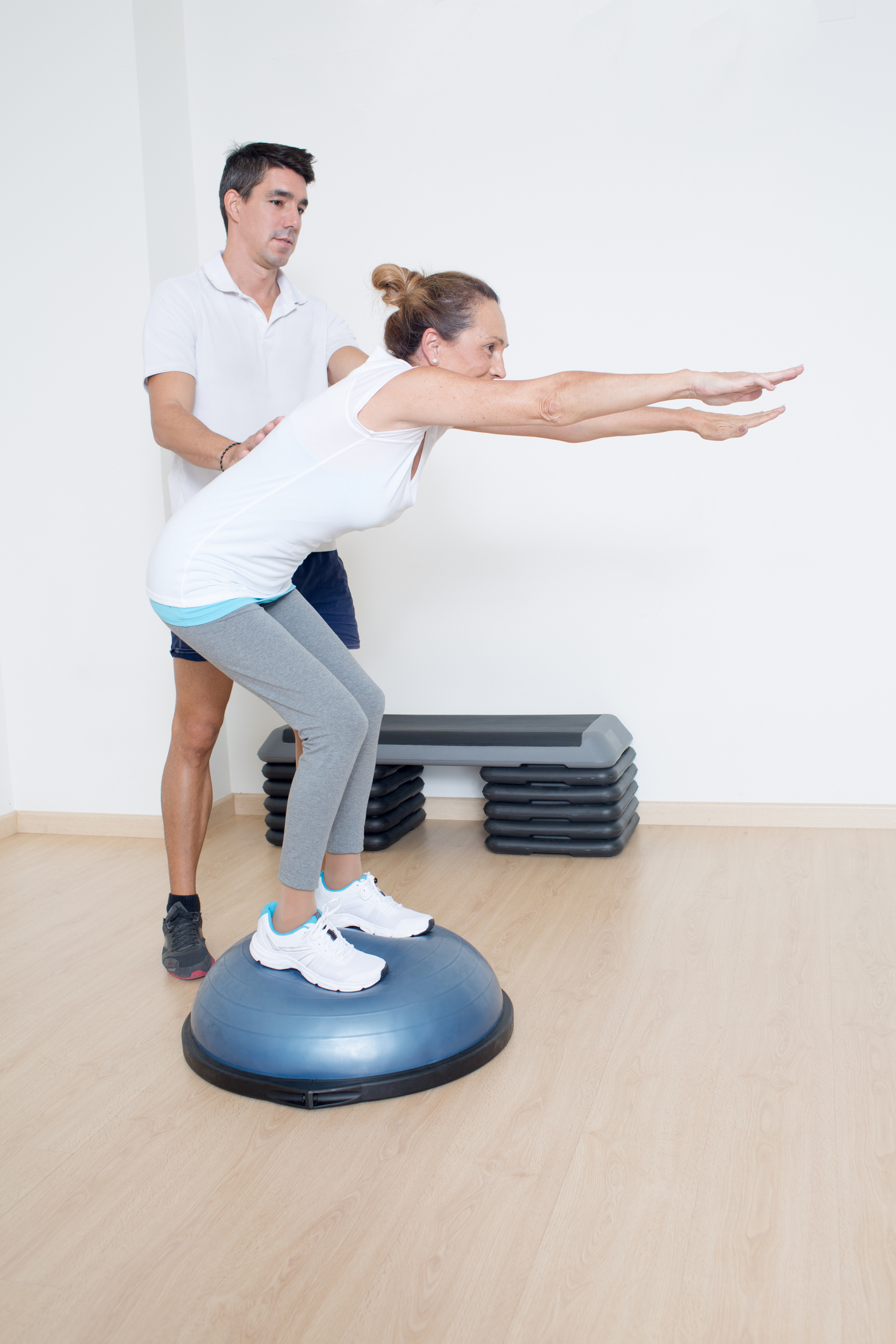
NDIS-funded physiotherapy for a traumatic brain injury (TBI) provides targeted physical rehabilitation to improve movement, reduce pain, and increase independence in daily life. Recovery looks different for everyone depending on the severity and stage of injury, but consistent, well-targeted physiotherapy is one of the most effective ways to rebuild function and confidence day to day. This guide covers how physiotherapy helps with TBI, how it’s funded through the NDIS, and why in-home delivery can make a real difference.
How physiotherapy helps with TBI
- Gait and balance: Relearning how to walk safely, improving coordination, and reducing fall risk.
- Strength and tone: Managing muscle stiffness (spasticity) and rebuilding upper and lower limb strength.
- Fatigue management: Designing pacing strategies to help manage daily energy levels, since fatigue is one of the most common and persistent effects of a TBI.
- Functional independence: Assisting with safe transfers, positioning, and everyday mobility tasks like getting up from a chair or showering safely.
- Assessments: Completing functional capacity assessments that inform NDIS plan reviews and funding decisions.
In the early stages of recovery, particularly during post-traumatic amnesia when confusion and disorientation are common, physiotherapy focuses on practising simple, relevant motor tasks like standing up from sitting, reaching, and walking, using brief instructions, demonstration, and frequent short sessions that work with retained procedural memory rather than requiring complex verbal processing. As recovery progresses, physiotherapy shifts toward rebuilding broader function: mobility, balance, strength, and cardiorespiratory fitness.
Spasticity management specifically may include positioning, targeted stretching programs, serial casting, or coordination with a doctor regarding options like Botulinum toxin A for more significant focal spasticity.
Accessing support through the NDIS
Physiotherapy for TBI is funded under the Capacity Building – Improved Daily Living budget in an NDIS plan. To access NDIS funding for a TBI, the injury generally needs to be assessed as permanent (not expected to fully resolve), have a substantial impact on everyday activities, and involve an ongoing need for support to maintain or build independence. Funded supports and priorities are set out in each participant’s individual plan, so what’s covered depends on how physiotherapy aligns with the goals in that plan.
You don’t need a GP referral to start physiotherapy under an NDIS plan. You can self-refer directly to a provider, or ask your support coordinator to help you find one. For the broader detail on NDIS physiotherapy funding and eligibility, see NDIS Physiotherapy Sydney.
Why in-home physiotherapy helps with TBI recovery
A clinic visit means transport, unfamiliar surroundings, and often help just getting there, real barriers for someone managing fatigue, balance issues, or cognitive load after a TBI. A mobile physiotherapist delivers sessions at home instead, and there’s a genuine clinical upside beyond convenience: practising a transfer, a walk to the letterbox, or a shower routine in the actual home environment tends to translate into daily function far more directly than the same exercise done in a clinic gym, particularly for someone relying on procedural memory and familiar surroundings during recovery.
Frequently asked questions
Do I need a referral to access NDIS physiotherapy for a TBI? No. You can self-refer directly to a provider, or your support coordinator can help arrange it.
What does NDIS funding for TBI physiotherapy cover? Physiotherapy for TBI is funded under the Capacity Building – Improved Daily Living budget, covering mobility, balance, and strength-focused treatment aligned with the goals in your NDIS plan.
Is physiotherapy useful in the early stages after a TBI, or only later in recovery? Both. Early-stage physiotherapy focuses on simple, functional movements like standing and walking using short, structured sessions, while later-stage physiotherapy builds broader strength, balance, and fitness as recovery progresses.
Can physiotherapy help with spasticity after a TBI? Yes. Management may include positioning, targeted stretching programs, serial casting, or coordination with a doctor about medical options for more significant spasticity.
Why choose home visit physiotherapy after a TBI? Home visits remove the barrier of travel and unfamiliar settings, and let a physiotherapist work on the specific movements and tasks that matter in the environment where they actually happen.
If you or someone you support is recovering from a traumatic brain injury, we’re happy to talk through what physiotherapy could look like, see our Neurological Physiotherapy Sydney page for more detail, or call 0468 079 075 to talk it through directly.
This article is general information about physiotherapy and NDIS funding for traumatic brain injury and doesn’t replace individual clinical or funding advice. Confirm what’s covered under your specific NDIS plan with your provider or support coordinator.

Daniel Chong, BPhty (Australian Catholic University), is an AHPRA-registered physiotherapist and the founder of Bayside Mobile Physio.