

Breathlessness, a chest that won't clear, or the after-effects of a bad bout of pneumonia can make ordinary daily life feel exhausting. Respiratory physiotherapy is one of the most effective, and most underused, tools for managing these problems, and it can be delivered just as effectively in your own home as in a hospital ward. …
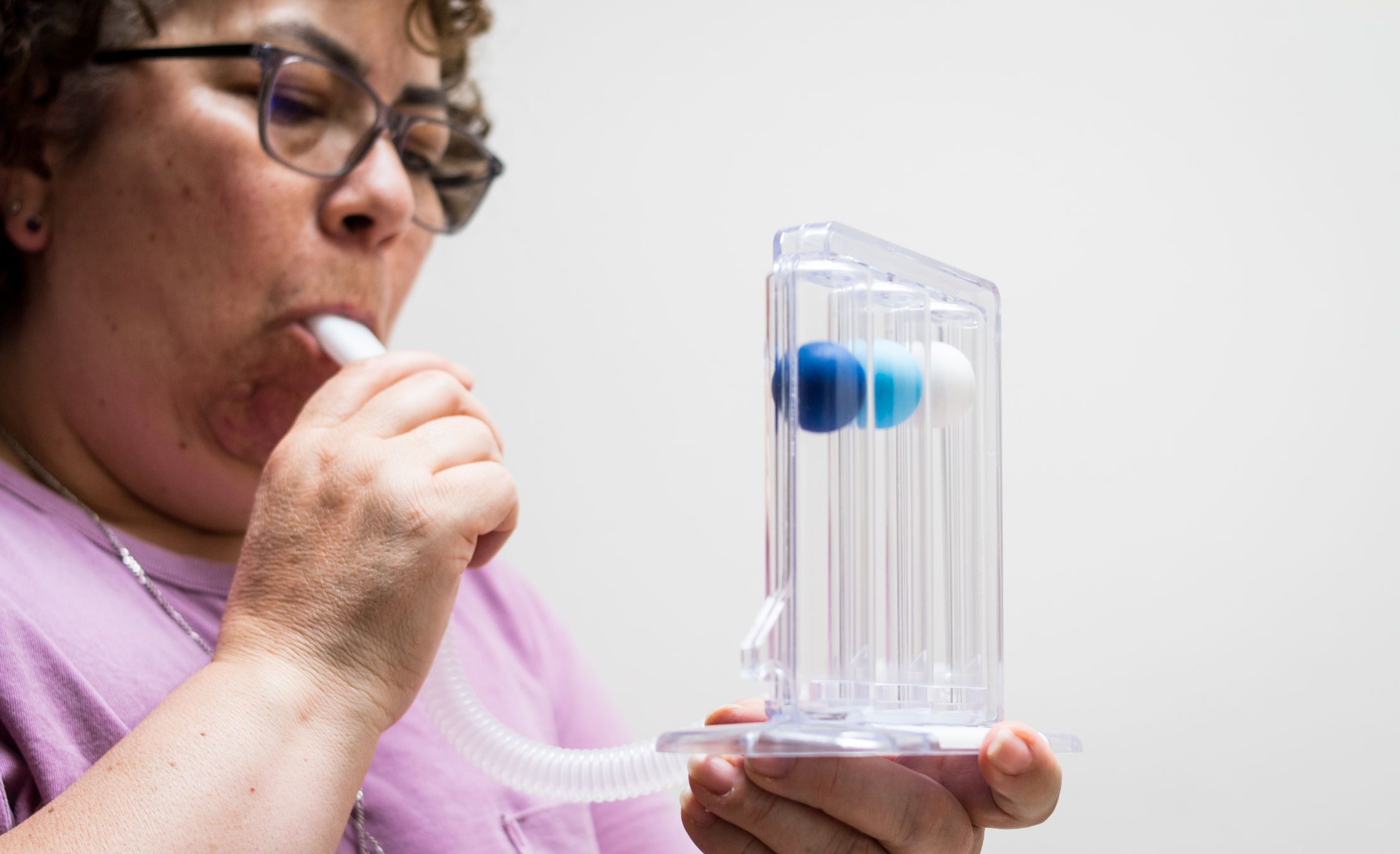
Breathlessness, a chest that won’t clear, or the after-effects of a bad bout of pneumonia can make ordinary daily life feel exhausting. Respiratory physiotherapy is one of the most effective, and most underused, tools for managing these problems, and it can be delivered just as effectively in your own home as in a hospital ward.
What respiratory physiotherapy actually involves
At its core, respiratory physiotherapy is a set of techniques aimed at helping the lungs work more effectively. Depending on what’s going on, a session might include:
- Airway clearance techniques to help move and clear mucus sitting on the chest
- Breathing retraining to reduce breathlessness and improve efficiency
- Positioning and manual techniques to support easier breathing and drainage
- Exercise and activity pacing to rebuild tolerance safely
- Education on recognising early signs of a chest infection and what to do about it
None of this requires specialised hospital equipment. Most of it works just as well, sometimes better, in the environment you’re actually going to be living and breathing in every day.
Who tends to benefit
Respiratory physiotherapy isn’t only for people with a diagnosed lung condition. In our experience, it helps:
- People with COPD, bronchiectasis, or emphysema managing day-to-day breathlessness and flare-ups
- Anyone recovering from pneumonia or a chest infection, particularly if it keeps coming back
- People recovering from surgery, where reduced movement and shallow breathing after an anaesthetic can leave the chest congested
- People with neurological conditions such as MS, motor neurone disease, or spinal cord injury, where weakened respiratory muscles make clearing the chest harder
- Older adults and aged care residents, who are more vulnerable to chest infections and slower to recover from them
What a home visit looks like
A first session usually starts with an assessment: how you’re breathing, what your chest sounds like, what’s triggering your symptoms, and what a typical day looks like for you. From there, your physiotherapist works through hands-on techniques where needed, teaches you (or a family member or carer) techniques to use between visits, and sets goals that reflect what you actually want to be able to do, whether that’s getting through a shower without stopping to catch your breath, or avoiding another hospital admission this winter.
Ongoing sessions build on that plan, adjusting as your chest, fitness, or condition changes.
Signs it might be worth asking about
It’s worth raising respiratory physiotherapy with your GP or care team if you or a family member:
- Get short of breath doing things that didn’t used to cause trouble
- Have a chest infection that’s slow to clear, or keeps coming back
- Have recently been in hospital with a respiratory illness
- Have a condition affecting muscle strength or coordination that also affects breathing
Accessing respiratory physiotherapy through Bayside
We provide respiratory physiotherapy as part of our home visit service across Greater Sydney, accessible through NDIS, Support at Home, DVA, Medicare Chronic Disease Management plans, or privately.
If you’re not sure whether it’s the right fit, get in touch and we can talk it through.
Get in touch: 📞 0468 079 075 📧 [email protected]

Daniel Chong, BPhty (Australian Catholic University), is an AHPRA-registered physiotherapist and the founder of Bayside Mobile Physio.