
Bringing a physiotherapist to your home is one of the easiest ways to stay on top of pain, mobility, or recovery goals without the hassle of getting to a clinic. But if you've never used a mobile physio service before, you might be wondering exactly how the payment side works. The good news is there's …

Bringing a physiotherapist to your home is one of the easiest ways to stay on top of pain, mobility, or recovery goals without the hassle of getting to a clinic. But if you’ve never used a mobile physio service before, you might be wondering exactly how the payment side works. The good news is there’s more than one way to fund your care, and most patients end up using a mix of these depending on their situation.
Here are the three main ways our patients pay for home visit physiotherapy.
1. Paying Privately
The simplest option is to pay for your session directly, with no referral or paperwork required. You can book as often or as little as you like, and your physiotherapist works entirely around your goals rather than the terms of a funding body.
Across Sydney, home visit physiotherapy typically costs somewhere in the range of $120–$220 per session, depending on the length of the appointment, whether it’s an initial assessment or a follow-up visit, and how far the physiotherapist needs to travel. Initial consultations usually sit at the higher end of that range, since they involve a full assessment, a written home exercise program, and more time on the day.
Our rates sit comfortably within this market range. We keep pricing fair and transparent, so you know the cost of your visit upfront before you book — no surprise add-ons.
2. Using Your Private Health Insurance
If you hold extras cover with a private health fund, physiotherapy is usually included as a benefit. Depending on your level of cover and your fund’s rules, you can generally expect a rebate of roughly $40–$80 per session, which is deducted from your out-of-pocket cost.
A few things worth checking with your fund before your first visit:
- Whether home visit physiotherapy is covered the same as an in-clinic session
- Your annual limit for physiotherapy and how much of it you’ve already used
- Whether you can claim on the spot via HICAPS or need to submit the claim yourself afterwards
We’re happy to provide an invoice with the item numbers so you can claim quickly and easily online.
3. A GP Chronic Disease Management (CDM) Plan
If you have an ongoing or chronic health condition, your GP can put you on a Chronic Disease Management plan (sometimes still referred to by its older name, an Enhanced Primary Care or EPC plan). This entitles you to a Medicare rebate for up to five allied health sessions per calendar year, which can be used for physiotherapy.
To access this:
- Book an appointment with your regular GP and mention you’d like a referral for physiotherapy under a CDM plan
- Your GP will confirm you have a chronic condition that qualifies and will issue the referral
- Bring the referral to your first session with us
Medicare’s rebate under a CDM plan covers only part of the session cost, so there is usually a small gap fee payable, similar to seeing a GP with a partial bulk-bill. It’s a helpful way to reduce the cost of ongoing care, especially when combined with private health insurance for the remaining gap.
How Many Sessions Will I Actually Need?
This is the question almost everyone asks, and the honest answer is: it depends on you. Whether you’re recovering from surgery, managing a chronic condition, improving balance, or working through pain, the right number and frequency of sessions varies from person to person.
That’s why every new patient is matched with a dedicated physiotherapist who gets to know your history, goals, and living environment. At your initial assessment, they’ll build a picture of what you’re working with and recommend a session frequency and total course of care designed to get you to your outcome as efficiently as possible — not a one-size-fits-all schedule. Some patients only need a handful of visits; others benefit from a longer, more gradual program. Your physiotherapist will keep reviewing your progress along the way and adjust the plan as needed.
Ready to Book?
Whichever payment path suits you best, our team can talk you through the details and help you figure out what you’re eligible for.
Bayside Mobile Physio
Phone: 0468 079 075
Email: [email protected]
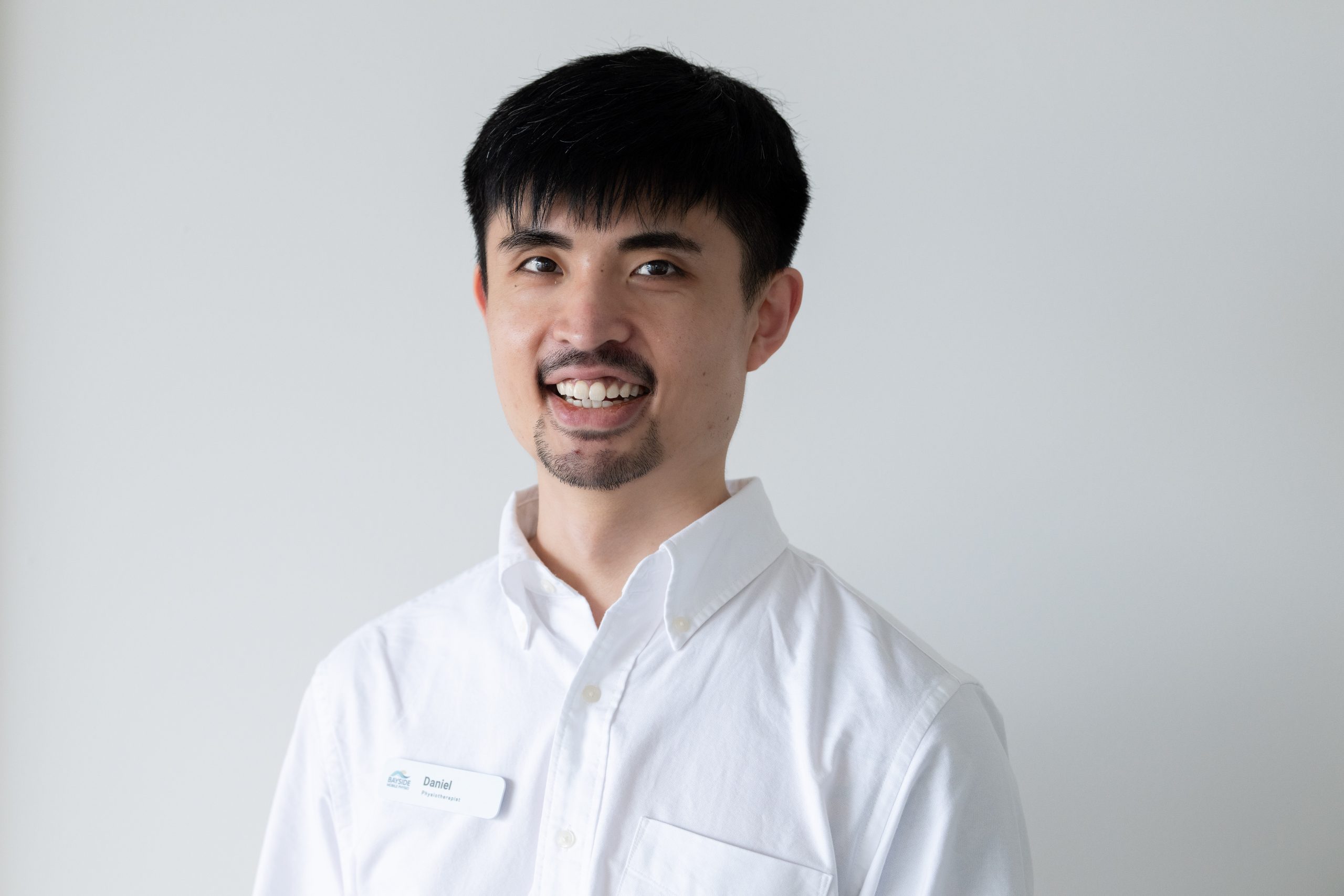
Daniel Chong, BPhty (Australian Catholic University), is an AHPRA-registered physiotherapist and the founder of Bayside Mobile Physio.