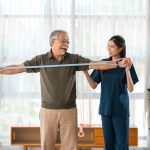

If you've noticed a parent or older relative moving more cautiously, avoiding stairs, or seeming less steady on their feet than they used to be, you're probably already wondering what can be done about it, and whether it means a round of appointments at a clinic they may not want to travel to. Physiotherapy for …

If you’ve noticed a parent or older relative moving more cautiously, avoiding stairs, or seeming less steady on their feet than they used to be, you’re probably already wondering what can be done about it, and whether it means a round of appointments at a clinic they may not want to travel to. Physiotherapy for seniors at home is often the more practical answer, and for many families, it’s the first time they realise physio doesn’t have to mean a waiting room.
What In-Home Physiotherapy Actually Involves
A home visit from a physiotherapist covers much the same ground as a clinic session, just in a setting your parent is already comfortable in. That typically includes:
- Balance and falls prevention – identifying fall risks specific to their actual home (loose rugs, poor lighting, awkward step heights) and building strength and stability to reduce them
- Mobility and strength training – exercises tailored to help with everyday movements like getting out of a chair, in and out of bed, or up and down stairs
- Pain management – for arthritis, back pain, or general stiffness that’s limiting how much they move
- Post-hospital or post-surgical rehabilitation – continuing recovery after a hospital stay, fall, or operation, without the added stress of getting to appointments
- Equipment and home modification advice – recommending walking aids, grab rails, or other changes, and providing the paperwork to support funding for them where needed
Signs Your Elderly Parent Might Benefit From Home Physio
It’s not always obvious when physiotherapy would help, especially if your parent is managing day to day and isn’t complaining. A few common signs worth paying attention to:
- Holding onto furniture or walls more than they used to
- A recent fall, even a minor one
- Avoiding stairs, or taking noticeably longer on them
- Reduced confidence going out, or declining invitations that involve walking
- Recovering from a hospital admission, surgery, or extended bed rest
- Ongoing joint or back pain that’s limiting what they’ll attempt
None of these need to be severe before it’s worth getting an assessment. Physiotherapy tends to be far more effective, and far less disruptive, when it starts before a small issue becomes a bigger one.
Why Home Visits Suit Older Adults Better Than a Clinic
For a lot of seniors, simply getting to a clinic is part of the problem, not the solution. Between arranging transport, navigating a car park, and sitting in a waiting room, the appointment itself can end up being the easiest part of the day. In-home physiotherapy removes all of that, and it comes with a practical advantage a clinic visit can’t offer: a therapist working in your parent’s actual home can assess the real environment they move through every day, rather than a generic clinic space, and tailor exercises and advice specifically to it. It’s part of why we run our mobile physiotherapy service the way we do.
How Funding Works
Most families are surprised by how many funding pathways can cover in-home physiotherapy, depending on individual circumstances:
- Support at Home – physiotherapy is funded as a clinical support under the current Support at Home program, usually with no out-of-pocket contribution. Read more about our Support at Home physiotherapy service
- NDIS – for eligible participants under 65, physiotherapy is typically funded under Improved Daily Living (shown as CB Daily Activities in the NDIS portal). Read more about our NDIS physiotherapy service
- Medicare – a GP Management Plan can provide a rebate for a limited number of allied health sessions per year
- DVA – veterans and eligible dependents may have physiotherapy covered directly
- Private – families not accessing any of the above can arrange visits privately
Funding rules vary depending on your parent’s specific situation, so it’s worth a direct conversation with a provider about what applies before assuming a cost either way.
What to Expect at the First Visit
A first home visit usually starts with a conversation, about what’s changed, what your parent is finding difficult, and what matters most to them, before moving into a physical assessment of strength, balance, and mobility. From there, the physiotherapist puts together a plan built around realistic, achievable goals, and books in a schedule of follow-up sessions to work through it. Family members are welcome to be part of that first conversation, and often are, since you’re usually the one who noticed the change in the first place.
Getting Started
If any of this sounds familiar, the easiest next step is a conversation rather than a decision. A physiotherapist can usually tell fairly quickly, from a short chat about what you’ve noticed, whether an assessment is worth arranging and what it might involve.
Bayside Mobile Physio provides in-home physiotherapy for older adults across Sydney, including aged care and Support at Home clients. If you’d like to talk through whether it’s the right fit for your parent, get in touch with our team or read more about our aged care physiotherapy services.

Daniel Chong, BPhty (Australian Catholic University), is an AHPRA-registered physiotherapist and the founder of Bayside Mobile Physio.