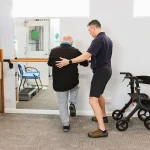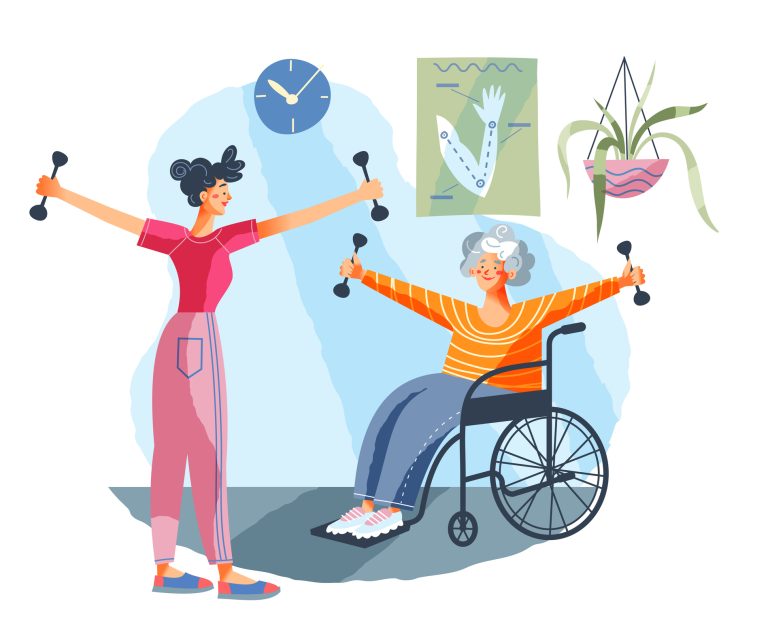

Parkinson's disease is a progressive neurological condition, and physiotherapy for Parkinson's disease is one of the most effective evidence-based interventions for managing symptoms, slowing functional decline, and maintaining independence. At Bayside Mobile Physio, we provide specialist mobile physiotherapy for people living with Parkinson's disease across Sydney. We come to your home, removing the burden of …

Parkinson’s disease is a progressive neurological condition, and physiotherapy for Parkinson’s disease is one of the most effective evidence-based interventions for managing symptoms, slowing functional decline, and maintaining independence.
At Bayside Mobile Physio, we provide specialist mobile physiotherapy for people living with Parkinson’s disease across Sydney. We come to your home, removing the burden of travel and delivering rehabilitation in the environment where it matters most.
How Parkinson’s Disease Affects Movement
Parkinson’s disease is caused by the loss of dopamine-producing cells in the brain. Dopamine plays a critical role in coordinating smooth, controlled movement. As dopamine levels decline, the characteristic movement symptoms of Parkinson’s emerge:
- Tremor — involuntary shaking, most commonly in the hands, arms, or legs
- Rigidity — stiffness and resistance in the muscles and joints
- Bradykinesia — slowness of movement and difficulty initiating movement
- Postural instability — poor balance and an increased risk of falls
- Freezing of gait — sudden, temporary inability to move the feet when walking
- Shuffling gait — short, shuffling steps and reduced arm swing
- Stooped posture — forward flexed trunk and head position
Beyond movement, Parkinson’s can also affect speech, swallowing, cognition, mood, and sleep — making a multidisciplinary approach to care essential.
How Physiotherapy Helps With Parkinson’s Disease
Physiotherapy cannot stop the progression of Parkinson’s disease, but it can significantly slow its functional impact and help people maintain independence for longer. The brain’s ability to adapt — neuroplasticity — means that consistent, challenging exercise can help compensate for the loss of dopaminergic pathways.
Key areas where physiotherapy makes a difference include:
Balance and Falls Prevention
People with Parkinson’s disease have a significantly elevated risk of falling due to postural instability, freezing of gait, and reduced reaction time. Physiotherapy targets these risk factors directly through balance training, strength work, and gait retraining — reducing fall frequency and the fear associated with falling.
Gait Retraining
The shuffling, slow, and festinating (accelerating) gait pattern common in Parkinson’s increases fall risk and reduces walking efficiency. Physiotherapists use a range of strategies to improve gait, including rhythmic auditory cueing (walking to a beat), visual cues, and attentional strategies that help bypass the impaired automatic motor pathways.
Posture Correction
The forward stooped posture associated with Parkinson’s — known as camptocormia — contributes to balance problems, back pain, and breathing difficulties. Physiotherapy addresses this through postural strengthening, stretching, and movement awareness exercises.
Strength and Flexibility
Rigidity and reduced activity levels lead to muscle weakness and joint stiffness over time. Targeted strength and flexibility programs help maintain the physical capacity needed for daily activities such as getting in and out of bed, dressing, and climbing stairs.
Freezing of Gait Management
Freezing of gait — where the feet suddenly feel glued to the floor — is one of the most distressing and dangerous symptoms of Parkinson’s. Physiotherapists teach cueing strategies, including rhythmic counting, stepping over imaginary lines, and attentional focus techniques, to help manage and reduce freezing episodes.
Functional Training
Physiotherapy targets the specific daily tasks that are becoming difficult — rolling in bed, getting up from a chair, navigating stairs, and moving safely through the home. Practising these movements in your actual home environment is one of the key advantages of mobile physiotherapy.
LSVT BIG — Physiotherapy for Parkinson’s
LSVT BIG (Lee Silverman Voice Treatment BIG) is a specialised physiotherapy program developed specifically for people with Parkinson’s disease. It is based on the principle that the brain benefits from large, exaggerated movements — training the nervous system to produce bigger, more functional movements in everyday life.
Research shows that LSVT BIG can significantly improve walking speed, balance, and the quality of daily movements. The program is intensive — typically delivered over four weeks with four sessions per week — and requires a trained LSVT BIG physiotherapist. Ask us whether LSVT BIG is appropriate for your stage of Parkinson’s. Learn more at LSVT Global.
Best Exercises for Parkinson’s Disease
The following exercises are commonly used in physiotherapy programs for Parkinson’s disease. Always work with your physiotherapist to ensure exercises are appropriate for your current level of function.
1. Big Arm Swings
Standing tall, swing both arms forward and back in an exaggerated, large movement. This helps counteract the reduced arm swing associated with Parkinson’s and promotes a more normal walking pattern. Perform for 30 to 60 seconds.
2. High Knee Marching
March on the spot, lifting your knees as high as comfortable. This addresses the reduced step height and shuffling pattern of Parkinson’s gait. Perform for 30 to 60 seconds.
3. Sit to Stand
Practice standing up from a chair and sitting back down with control. This builds leg strength and helps with one of the most commonly reported difficulties in Parkinson’s disease. Aim for 10 repetitions, rocking forward before standing to build momentum.
4. Trunk Rotation Stretches
Sitting in a chair, place your hands on your shoulders and rotate your upper body to the left and right. This combats the rigidity and reduced rotation that contributes to stooped posture and impaired walking. Perform 10 repetitions each side.
5. Heel-to-Toe Walking with Cueing
Walk in a straight line placing each foot deliberately — heel down first, then rolling through to the toe. Count out loud or walk to a metronome beat to use rhythmic cueing. Aim for 10 to 20 steps.
6. Standing Back Extensions
Stand with your hands on your lower back. Gently extend backward, opening the chest and counteracting the forward flexed posture of Parkinson’s. Hold for 3 to 5 seconds and repeat 10 times.
7. Boxing and Rhythmic Exercise
Programs such as Rock Steady Boxing — adapted for people with Parkinson’s — combine rhythmic movement, upper body strengthening, and coordination challenges in a way that is engaging and clinically effective. Ask your physiotherapist whether this type of program suits you.
8. Dual Task Training
People with Parkinson’s often struggle when trying to do two things at once — for example, walking and talking. Dual task exercises — such as walking while counting backwards, or carrying an object while navigating a path — train the brain to manage these situations more safely.
How Often Should People With Parkinson’s Exercise?
Current evidence recommends that people with Parkinson’s disease exercise at least 2.5 hours per week at a moderate to vigorous intensity. This can be broken into smaller sessions across the week. Physiotherapy sessions are typically supplemented by a daily home exercise program to maximise the neuroplastic benefits of regular practice.
Consistency is critical. Exercise needs to be an ongoing part of life for people with Parkinson’s — not just something done for a few weeks after diagnosis. The earlier and more consistently someone exercises, the better their long-term outcomes.
Funding Physiotherapy for Parkinson’s Disease
Physiotherapy for Parkinson’s disease can be funded through a number of pathways:
- Home Care Package / Support at Home: Eligible aged care recipients can access physiotherapy funded through their package.
- NDIS: For participants under 65 with Parkinson’s disease, NDIS physiotherapy can be funded under Capacity Building — Improved Daily Living
- DVA: Department of Veterans’ Affairs card holders may be eligible for funded physiotherapy. Visit dva.gov.au for eligibility information.
- Medicare Chronic Disease Management Plan: A GP may refer you for up to 5 allied health sessions per calendar year under a Chronic Disease Management plan.
- Private health insurance: Many private health funds cover physiotherapy — check your level of extras cover.
- Private: Self-funded physiotherapy is also available.
Get Started With Parkinson’s Physiotherapy at Home
If you or a loved one is living with Parkinson’s disease and looking for mobile physiotherapy in Sydney, we would love to help. Our team responds to all enquiries within 2 business hours.
- Phone: 0468 079 075
- Email: [email protected]
Support coordinators, care managers, and health professionals can refer clients via our Make a Referral page.
Frequently Asked Questions
When should someone with Parkinson’s start physiotherapy?
As early as possible after diagnosis. Research strongly supports early intervention — starting physiotherapy before significant functional decline occurs produces the best long-term outcomes. Even in the early stages when symptoms are mild, physiotherapy establishes good movement habits and a baseline of strength and balance that helps protect against future decline.
Can physiotherapy slow the progression of Parkinson’s disease?
Physiotherapy cannot stop the neurological progression of Parkinson’s, but consistent exercise has been shown to slow the rate of functional decline and reduce the impact of symptoms on daily life. Some research suggests that vigorous aerobic exercise may have a neuroprotective effect — potentially slowing disease progression at a neurological level.
Is physiotherapy safe for someone with advanced Parkinson’s?
Yes. Physiotherapy programs are adapted to the individual’s current level of function at every stage of Parkinson’s. In advanced stages, the focus may shift toward safe transfers, carer training, pressure care, and maintaining comfort and dignity — all of which a physiotherapist can assist with.
Can a carer or family member be involved in the sessions?
Absolutely — and we encourage it. Family members and carers play a vital role in supporting the home exercise program and implementing safe movement strategies in daily care. Including them in sessions ensures everyone is working consistently toward the same goals.
Bayside Mobile Physio provides mobile physiotherapy across Sydney specialising in neurological rehabilitation, aged care, NDIS, and private clients. For Parkinson’s physiotherapy enquiries call 0468 079 075 or email [email protected].
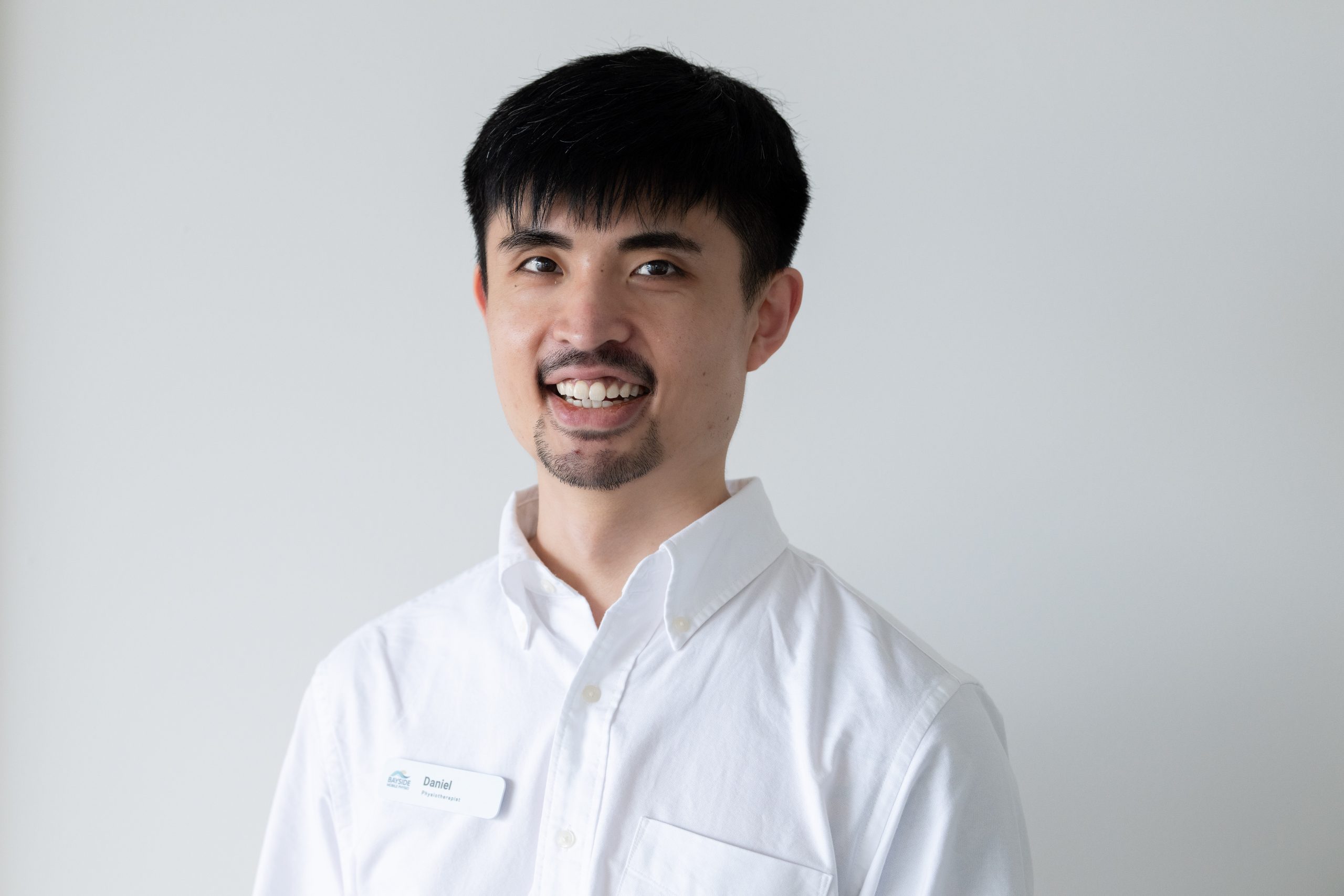
Daniel Chong, BPhty (Australian Catholic University), is an AHPRA-registered physiotherapist and the founder of Bayside Mobile Physio.