
Muscular dystrophy is a group of genetic conditions that cause progressive muscle weakness, and for the families and carers managing it day to day, the question is rarely "what is this condition" — it's "what do we do now." Physiotherapy for muscular dystrophy is one of the few interventions with a direct, evidence-backed answer: it …
Muscular dystrophy is a group of genetic conditions that cause progressive muscle weakness, and for the families and carers managing it day to day, the question is rarely “what is this condition” — it’s “what do we do now.” Physiotherapy for muscular dystrophy is one of the few interventions with a direct, evidence-backed answer: it won’t reverse the condition, but it consistently helps people keep moving, breathing and functioning independently for longer than they would without it.
At Bayside Mobile Physio, we see this play out in lounge rooms and care facilities across Sydney every week, working alongside NDIS participants, aged care residents and private clients living with muscular dystrophy and other progressive neuromuscular conditions.
What Is Muscular Dystrophy?
Muscular dystrophy refers to a group of inherited disorders that cause muscles to weaken and waste over time, due to genetic mutations affecting the proteins that keep muscle fibres healthy (healthdirect). There is currently no cure, but the rate and pattern of progression varies significantly depending on the specific type.
The main forms include:
- Duchenne muscular dystrophy (DMD) — the most common form, usually diagnosed in boys aged two to four
- Becker muscular dystrophy — a milder, more slowly progressing variant of DMD
- Myotonic dystrophy — the most common adult-onset form, marked by muscle stiffness alongside weakness
- Facioscapulohumeral dystrophy (FSHD) — typically starts in the face, shoulders and upper arms
- Limb-girdle dystrophy — affects the hip and shoulder girdle muscles first
Regardless of type, the common thread is progressive weakness — which is exactly where physiotherapy earns its place in the care team, alongside neurologists, respiratory specialists and occupational therapists.
How Physiotherapy Helps People With Muscular Dystrophy
The goal of physiotherapy in muscular dystrophy is never to “fix” the underlying condition — it’s to protect function for as long as possible and manage complications as they arise. In practice, that covers several distinct areas of work.
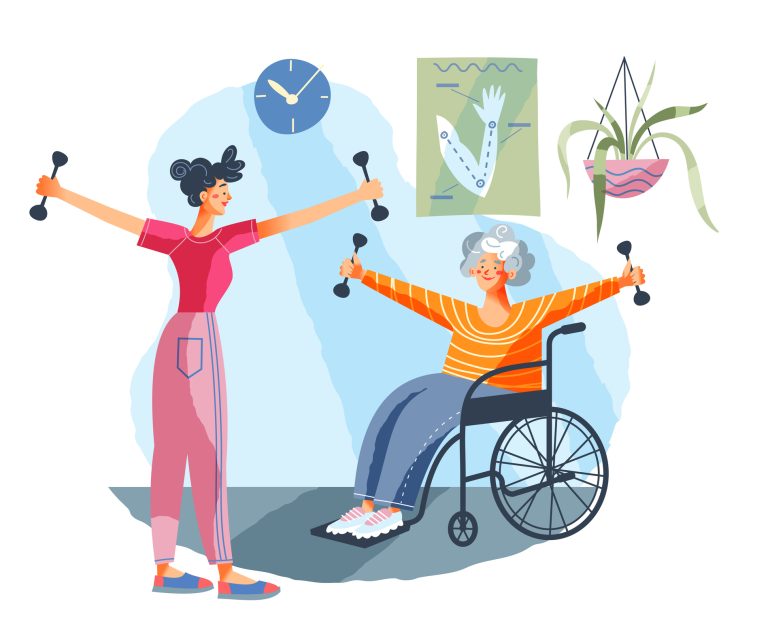
Maintaining strength and flexibility. Carefully dosed strengthening exercise helps maintain muscle and trunk function without overloading already-vulnerable muscle fibres — the balance between “enough” and “too much” is one of the more clinically nuanced parts of managing this condition, and it shifts as the disease progresses.
Preventing joint contractures. Regular stretching of the legs, arms and trunk keeps joints moving through their full range and slows the stiffening that comes with prolonged muscle imbalance. This is often the part of the program families are shown how to continue between visits.
Supporting respiratory function. As muscular dystrophy progresses, breathing muscles can be affected. Chest mobility work and breathing exercises, often coordinated with a respiratory specialist, help maintain lung capacity and reduce the risk of chest infections.
Guiding mobility aids and equipment. Physiotherapists assess when and how equipment — from ankle-foot orthoses to wheelchairs — should be introduced, so that mobility support arrives at the right time to preserve independence rather than being delayed until a crisis forces the decision.
Functional and postural training. For children, this can mean building developmental skills like standing and walking. For adults, it’s more often about safe transfers, posture, and reducing fall risk in the home environment.
This is consistent with our broader approach to neurological physiotherapy, where the same principles — protecting function, preventing secondary complications, and adapting the program as the condition changes — apply across muscular dystrophy, multiple sclerosis, Parkinson’s disease and other progressive neurological conditions.
What to Expect From a Home Visit Physiotherapy Program
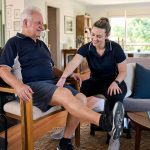
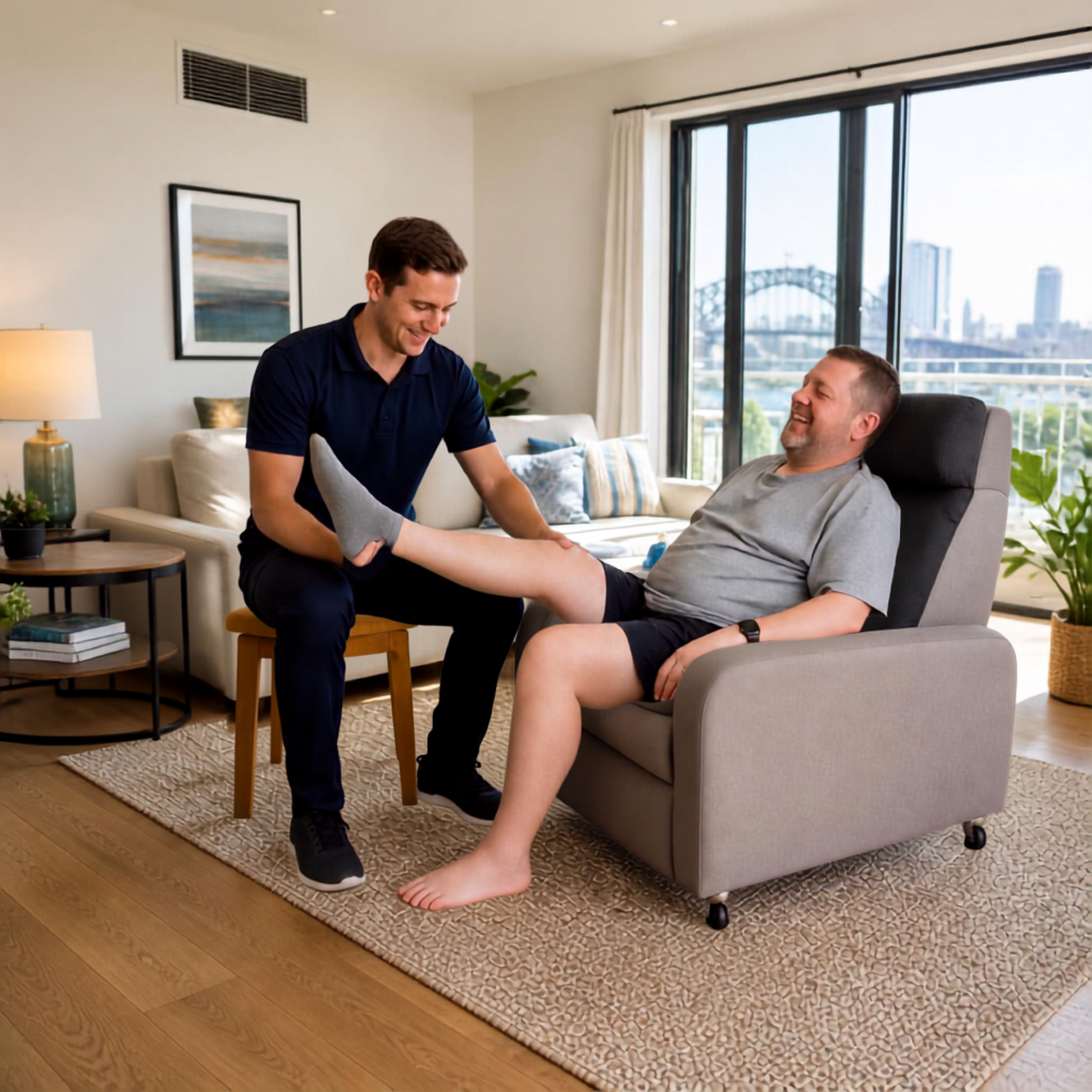
Because muscular dystrophy affects endurance and mobility, travelling to a clinic can itself become a barrier to consistent treatment — which is often where the case for home visit physiotherapy is strongest. A session in the home environment means:
- Exercises and equipment are assessed in the actual space the person lives in, not a generic clinic room
- Family members or carers can be shown techniques they’ll actually use day to day
- Fatigue from travel doesn’t eat into the session or discourage attendance
- Programs can be adjusted quickly as the condition progresses, without waiting for the next available clinic slot
Funding Physiotherapy for Muscular Dystrophy
Muscular dystrophy is a permanent, progressive disability, which typically means physiotherapy can be funded through the NDIS as a Capacity Building support, alongside options like Medicare Chronic Disease Management plans or private health cover for eligible participants outside the Scheme. If you’re weighing up how the funding side actually works, our guide to NDIS physiotherapy fees breaks down what’s typically covered and how sessions are billed.
For broader condition information and peer support, Muscular Dystrophy Australia is the national body supporting people living with muscular dystrophy and their families, and is worth having in your corner alongside your clinical team.
Getting Started
Muscular dystrophy management works best as a long game — small, consistent physiotherapy input over years, not a short burst of intensive treatment. If you’re an NDIS participant, family member, or care coordinator looking to set up or review a physiotherapy program for someone with muscular dystrophy, we visit homes and care facilities across Sydney with no waitlist. Get in touch with Bayside Mobile Physio to talk through what a program could look like.
This article is general information and isn’t a substitute for individual clinical advice. Speak with a physiotherapist or your treating specialist about a program suited to your specific condition and needs.
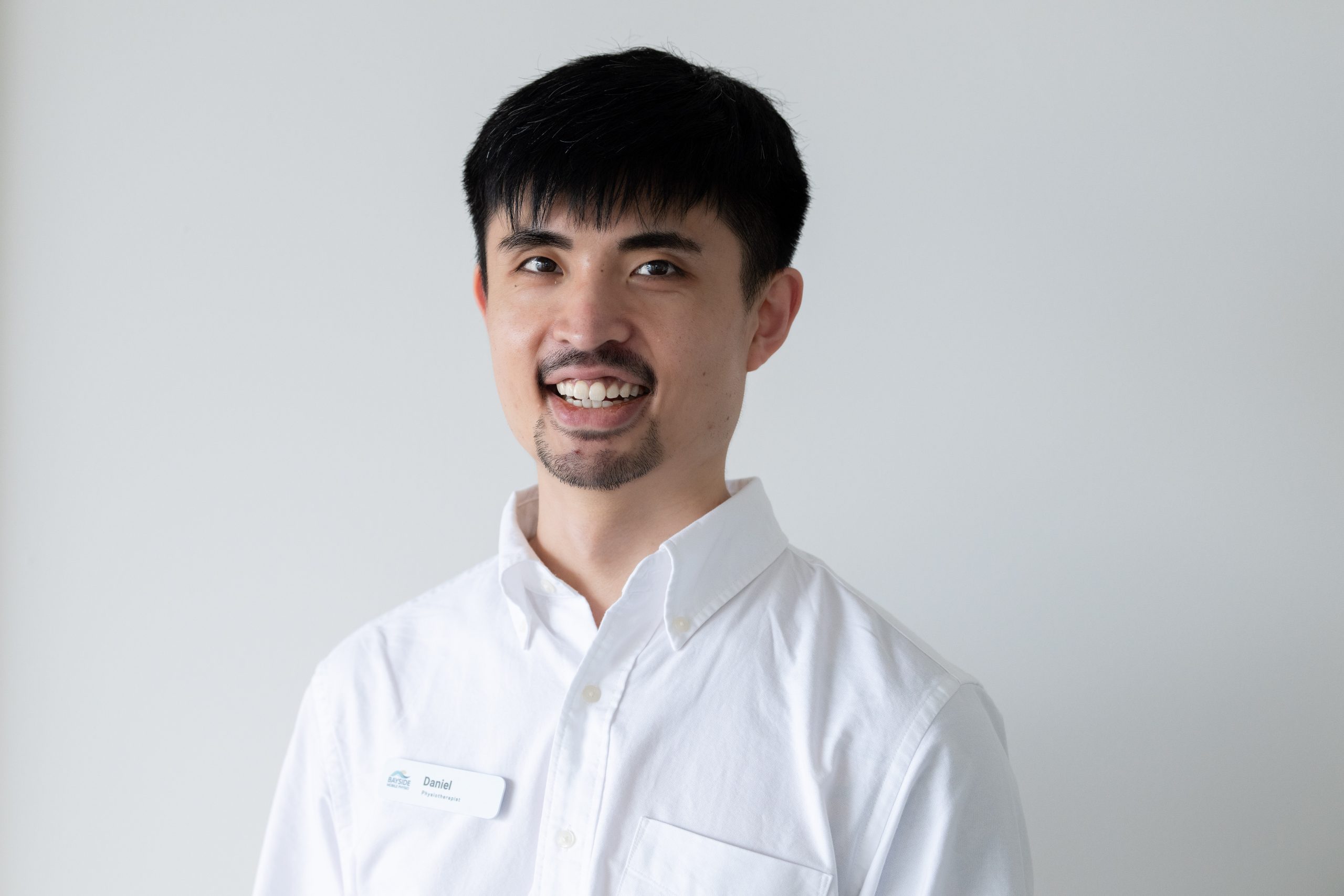
Daniel Chong, BPhty (Australian Catholic University), is an AHPRA-registered physiotherapist and the founder of Bayside Mobile Physio.