
Arthritis pain has a way of shrinking the world. A trip to the shops, a walk around the block, even getting up from a favourite chair, all of it can start to feel like more trouble than it's worth. The good news is that a lot of effective arthritis management doesn't need a clinic visit …
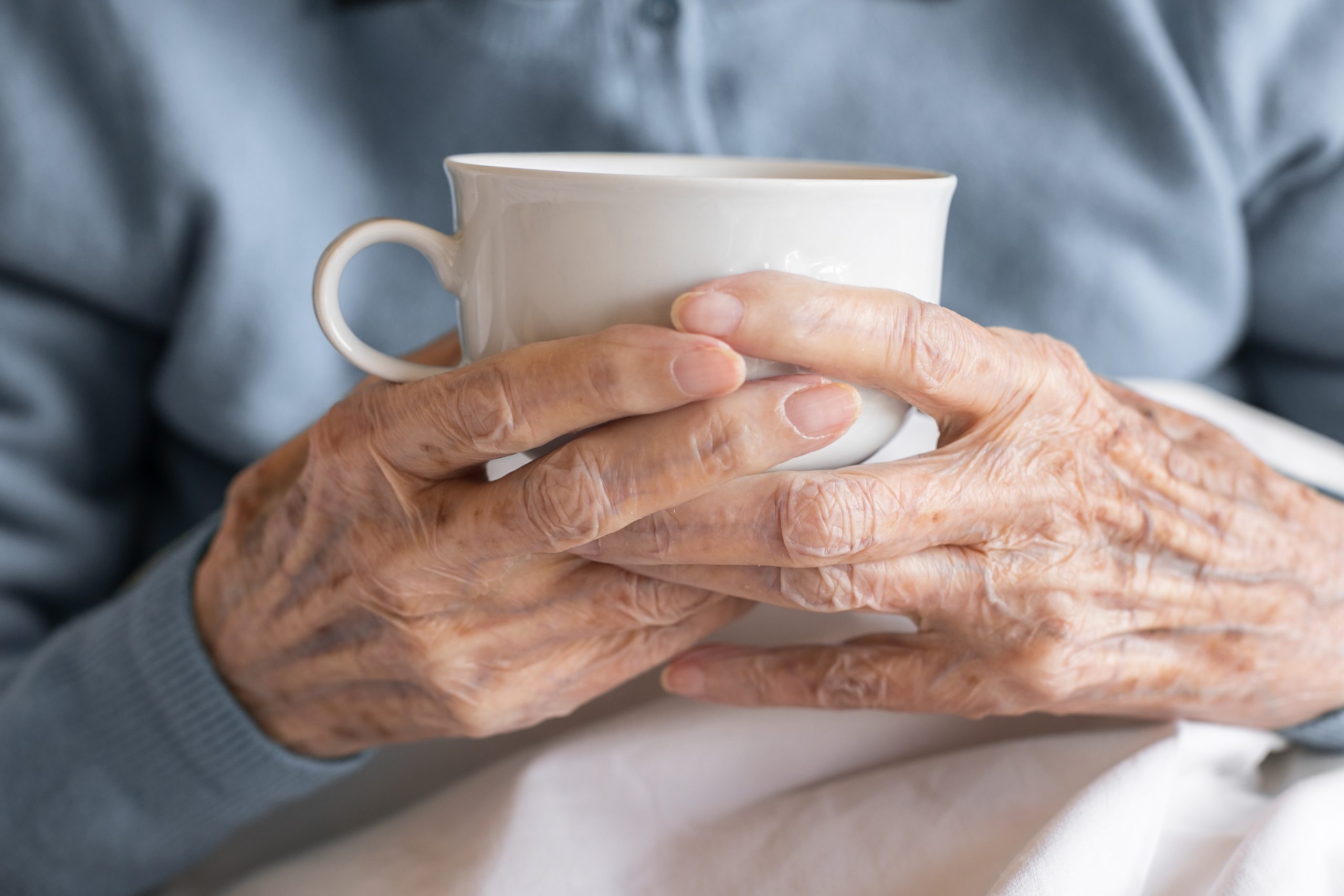
Arthritis pain has a way of shrinking the world. A trip to the shops, a walk around the block, even getting up from a favourite chair, all of it can start to feel like more trouble than it’s worth. The good news is that a lot of effective arthritis management doesn’t need a clinic visit at all. Small, consistent habits at home can make a real difference to pain, stiffness, and confidence.
Why Movement Still Matters, Even When It Hurts
It feels counterintuitive, but joints that ache from arthritis generally do better with gentle, regular movement than with rest. Staying still for long periods often makes stiffness worse. The key is gentle and regular, not intense. Short, frequent movement through the day tends to work better than one long session.
Simple things count: a few minutes of seated stretches while the kettle boils, marching on the spot during an ad break, or slowly moving each joint through its comfortable range in the morning before getting up. None of this needs equipment or a big block of time.
Heat and Cold, Used the Right Way
Heat tends to help stiff joints move more easily, a warm shower, a heat pack, or a hot water bottle before movement can loosen things up. Cold tends to help when a joint is actively swollen or inflamed, a cold pack wrapped in a towel for short periods can bring that down. Neither should be applied directly to skin, and neither should be left on so long it becomes uncomfortable.
Protecting Joints During Everyday Tasks
Small changes to how a task is done can take real pressure off a sore joint:
- Using both hands to lift, rather than one
- Sliding heavy items across a bench instead of carrying them
- Sitting to do tasks that don’t need to be done standing
- Using larger, stronger joints to take the load where possible, a forearm to push a door rather than fingers to pull it
These aren’t about avoiding activity. They’re about spreading the load so any one joint isn’t doing more work than it has to.
Pacing: The Habit That Makes the Biggest Difference
One of the most common patterns with arthritis is doing too much on a good day, then paying for it for the next two or three. Breaking tasks into smaller chunks with rest in between, even on days that feel fine, tends to lead to steadier pain levels over time than pushing through and crashing afterward.
When It’s Time to Bring in Some Help
Home strategies go a long way, but there are times a proper assessment makes a real difference:
- Pain that’s steadily getting worse rather than staying stable
- A joint that’s become noticeably less mobile over recent months
- Difficulty with tasks that used to be manageable, stairs, getting off the floor, opening jars
- Uncertainty about which movements are safe to keep doing
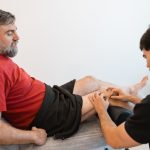
A physiotherapist can build a plan around the specific joints affected and how a person actually moves through their day, rather than generic advice. For anyone who finds getting to a clinic difficult, that assessment can happen at home instead.
How a Home Visit Helps
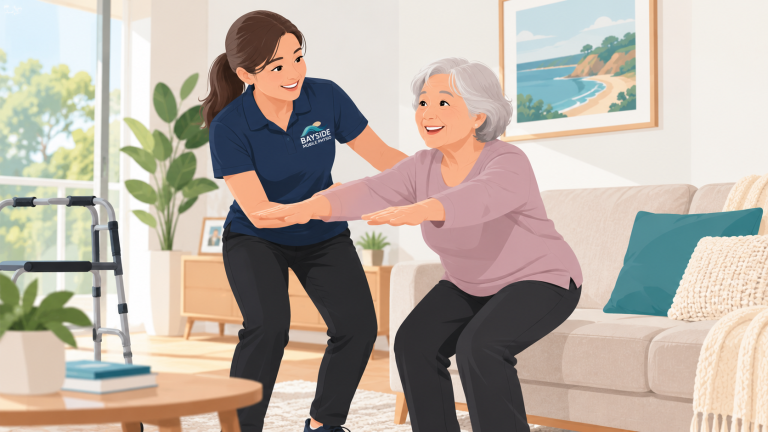
A home physiotherapy visit means the assessment happens in the actual environment where daily tasks are done, the same chairs, stairs, and layout that cause the trouble in the first place. That often makes it easier to spot practical fixes than a clinic visit would.
If arthritis pain has been getting in the way of daily life, a home physiotherapy assessment can help build a plan suited to the joints involved and the home itself. Get in touch with Bayside Mobile Physio to arrange a visit.

Daniel Chong, BPhty (Australian Catholic University), is an AHPRA-registered physiotherapist and the founder of Bayside Mobile Physio.