
GP Management Plan Physio in Sydney: A Referral Guide for GPs Referring a patient for GP Management Plan physio is one of the most effective steps you can take to support long-term outcomes for patients with chronic conditions. Under the Chronic Disease Management (CDM) framework, a Team Care Arrangement (TCA) gives eligible patients access to …

GP Management Plan Physio in Sydney: A Referral Guide for GPs
Referring a patient for GP Management Plan physio is one of the most effective steps you can take to support long-term outcomes for patients with chronic conditions. Under the Chronic Disease Management (CDM) framework, a Team Care Arrangement (TCA) gives eligible patients access to up to five Medicare-rebated allied health sessions per calendar year — including physiotherapy.
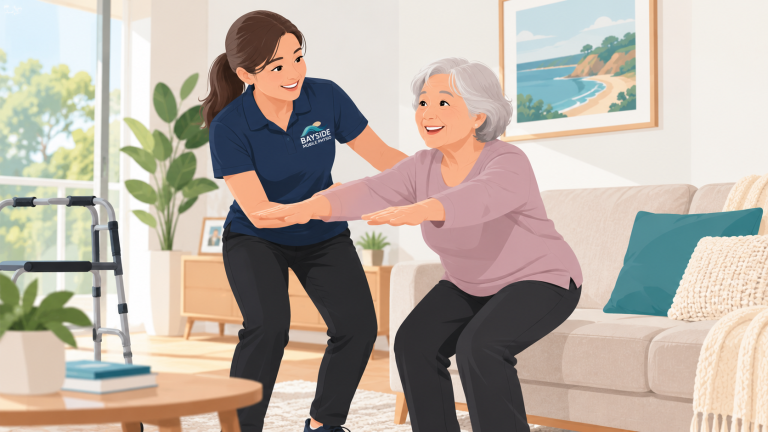
At Bayside Mobile Physio, we make this process straightforward for GPs across Sydney. Our mobile physiotherapists come to the patient — no clinic visit required. This guide walks you through who qualifies, how to refer, and what to expect from our service.
What Is a GP Management Plan (GPMP) and TCA?
A GP Management Plan (item 721) is a structured care plan for patients with a chronic or terminal condition. When paired with a Team Care Arrangement (item 723), it allows a GP to coordinate care across at least two allied health providers — making the patient eligible for Medicare-rebated allied health services.
To qualify, a patient must have a chronic condition — one present for six months or more (or likely to be) — that requires ongoing management from both the GP and other treating health professionals.
For more detail, see the Medicare Benefits Schedule — CDM items on the MBS Online website.
Which Conditions Benefit from GP Management Plan Physio?
Physiotherapy is one of the most commonly referred CDM services, and for good reason. The following chronic conditions respond well to home-based physiotherapy intervention:
- Osteoarthritis and chronic joint pain (hip, knee, shoulder)
- Neurological conditions: stroke, Parkinson’s disease, multiple sclerosis
- Chronic lower back or neck pain
- Cardiorespiratory conditions: COPD, chronic heart failure
- Diabetes-related complications including peripheral neuropathy and deconditioning
- Falls risk and balance disorders in older patients
- Post-surgical rehabilitation (e.g. joint replacement, cardiac surgery)
- Cancer-related fatigue and musculoskeletal sequelae
- Chronic pain conditions including fibromyalgia
Not sure if physio is right for your patient? The Australian Physiotherapy Association has condition-specific resources to support your decision-making.
How to Refer: Step-by-Step
Step 1: Complete the GPMP and TCA
Complete items 721 (GPMP) and 723 (TCA) in your practice management software. The TCA must nominate physiotherapy as one of the allied health services and identify Bayside Mobile Physio (or the treating physiotherapist) as a member of the care team.
Step 2: Write a Referral Letter
While not strictly required by Medicare, a referral letter significantly improves the quality and safety of care. A useful referral includes:
- Primary diagnosis and relevant medical history
- Specific physiotherapy goals (e.g. improve gait, reduce falls risk, post-op rehab)
- Contraindications or precautions (e.g. anticoagulation, weight-bearing restrictions)
- Relevant investigations: imaging, blood results
- Confirmation that a GPMP/TCA is in place
Step 3: Send the Referral to Us
Forward the referral by fax or email, or have your patient bring it to their first appointment. We will contact the patient within one business day to schedule their initial home assessment.
Step 4: Receive a Progress Summary
After the initial assessment and at key clinical milestones, we send a written progress summary back to you. This supports continuity of care and satisfies the communication requirements of the CDM framework.
Why Mobile Physio Works Better for Many CDM Patients
Patients with chronic conditions often face significant barriers to attending a clinic — reduced mobility, lack of transport, fatigue, or complex care needs. Poor attendance leads to poor outcomes. Mobile physiotherapy removes those barriers entirely.
Our physiotherapists treat patients in their home, aged care facility, or supported living environment, bringing all necessary equipment with them. Home-based treatment also allows us to assess the patient’s actual environment — flooring, furniture, stairs, bathroom setup — making interventions more practical and sustainable.
We also accept NDIS, DVA, and Support at Home referrals for patients who are funded through those programs.
Medicare Rebates Under a CDM Plan
Under a TCA, patients are entitled to a Medicare rebate for up to five allied health sessions per calendar year. As of 2025, the rebate per allied health consultation under CDM is $58.30.
Bayside Mobile Physio charges a gap fee above the Medicare rebate. Our team communicates all costs transparently with patients and families before treatment begins — no surprises.
For current rebate amounts, refer to the Department of Health and Aged Care CDM program page.
Reviewing and Renewing the CDM Plan
A GPMP review (item 725) should occur at least annually, or sooner if the patient’s condition changes. Bayside Mobile Physio can provide updated progress notes, outcome measure results, and goal summaries to assist with your review and any TCA amendments.
Refer a Patient to Bayside Mobile Physio Today
Referring your patient for GP Management Plan physio with us is simple. Send us a referral letter by email, and we’ll take care of the rest — contacting your patient, scheduling the home visit, and reporting back to you.
We serve patients across Sydney and welcome referrals for CDM, NDIS, DVA, and Support at Home. If you’d like to discuss a patient before referring, our principal physiotherapist Daniel is happy to take your call.
Contact Bayside Mobile Physio:
- Phone: 0468 079 075
- Email: [email protected]
- Website: akdg.xovotech.com/
— Published by Bayside Mobile Physio | Sydney Mobile Physiotherapy Services
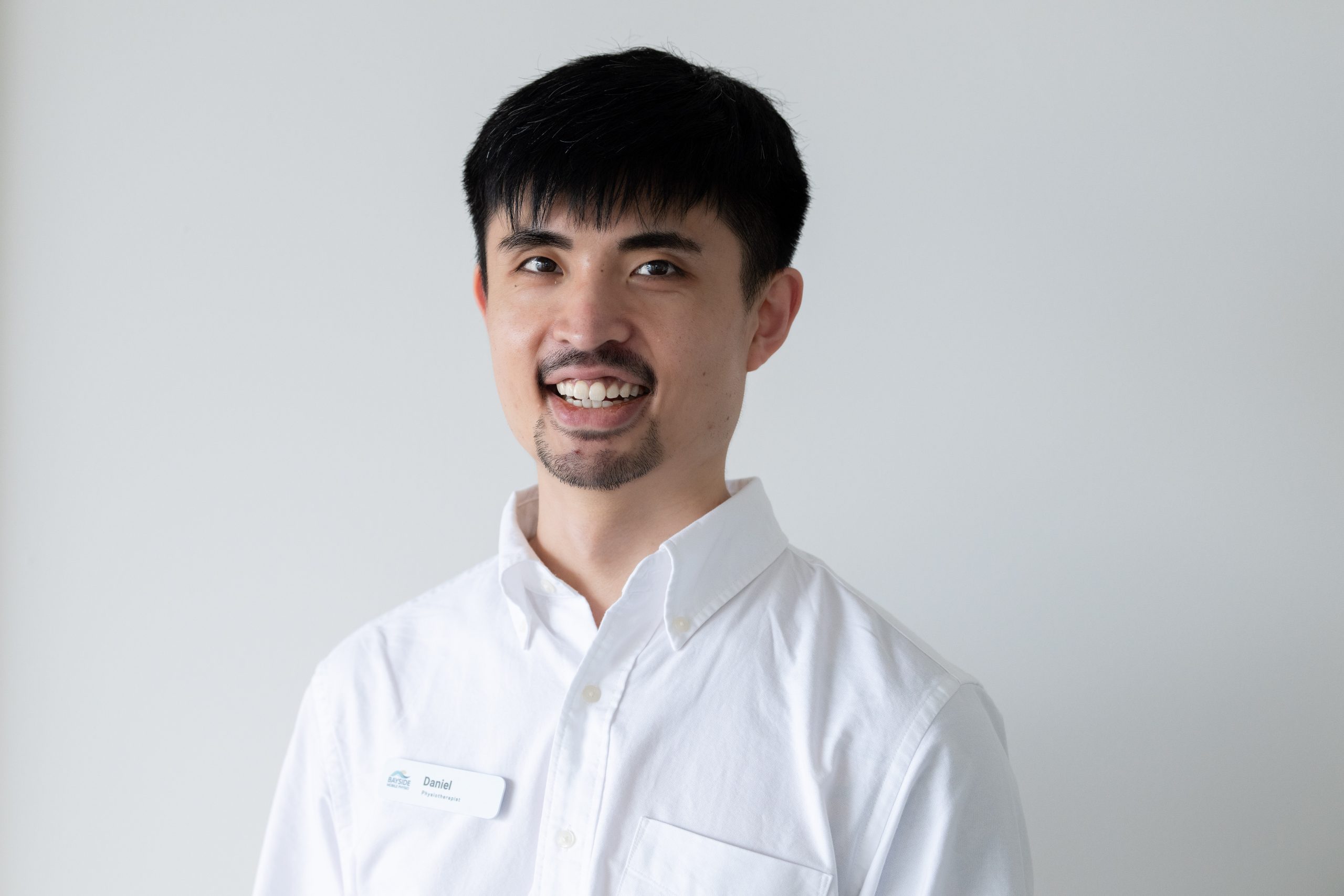
Daniel Chong, BPhty (Australian Catholic University), is an AHPRA-registered physiotherapist and the founder of Bayside Mobile Physio.