
For older Australians wishing to safely age in place, navigating the Support at Home program can feel like a maze. When age-related functional decline, chronic pain, or a sudden medical event, such as a fall or post-operative recovery, impacts daily safety, getting the right equipment fast becomes a top priority. Under the Assistive Technology and …
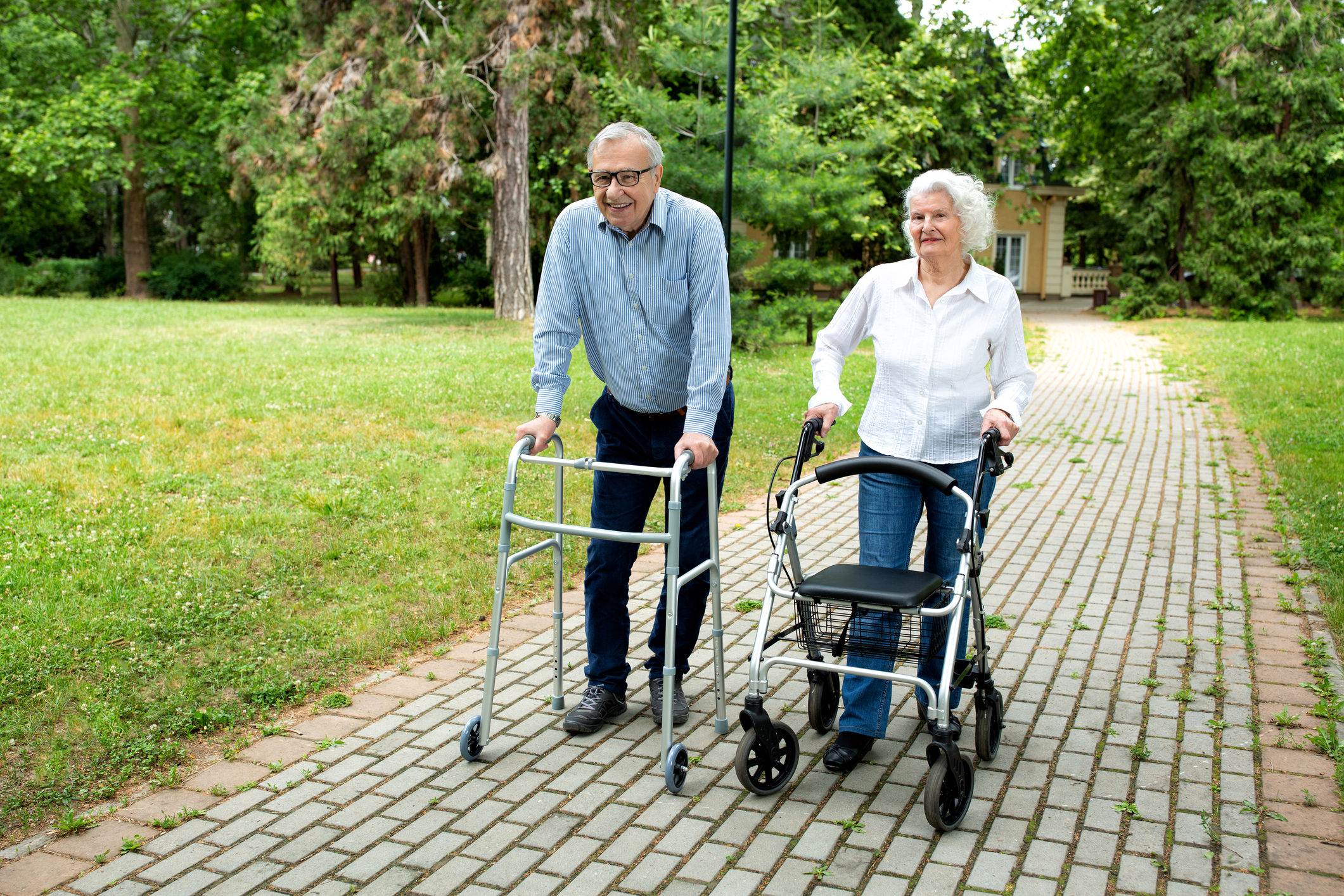
For older Australians wishing to safely age in place, navigating the Support at Home program can feel like a maze. When age-related functional decline, chronic pain, or a sudden medical event, such as a fall or post-operative recovery, impacts daily safety, getting the right equipment fast becomes a top priority.
Under the Assistive Technology and Home Modifications (AT-HM) Scheme within Support at Home, equipment is sorted into three risk levels: low risk, under advice, and prescribed. Higher-risk, more specialised items fall into the prescribed category, and these require a formal assessment and a clinical justification from a suitably qualified health professional, such as a mobile physiotherapist.
Here is an inside look at how mobile physios evaluate clinical needs, safely trial equipment in your unique living environment, and prepare the documentation your Care Manager needs to process a funding request.
1. The Comprehensive In-Home Assessment
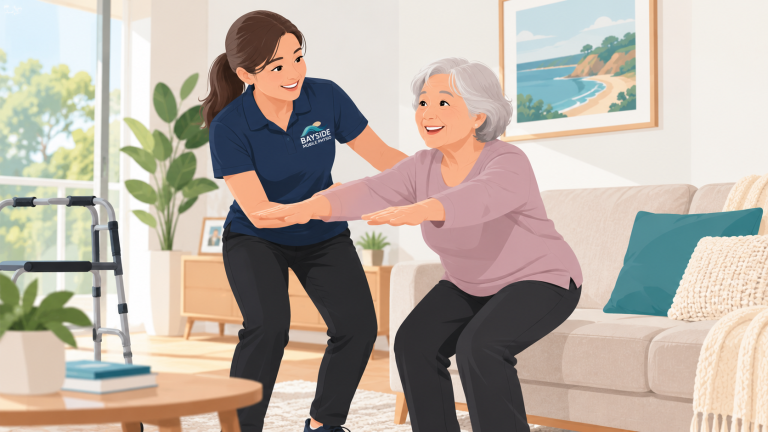
The process begins with a dedicated, comprehensive in-home assessment. Rather than checking a client in an isolated clinic room, a mobile physiotherapist evaluates functional capacity directly inside the home where real-world hazards exist.
Subjective Evaluation and Context
The therapist documents the client’s relevant history, noting key factors like osteoarthritis, diabetes, hypertension, or early cognitive changes, alongside any recent clinical events. For example, if a client recently suffered a fall on their outdoor verandah, the physio maps out exactly how that specific injury impacts their capacity to push, grip, or stand upright.
Objective Physical and Spatial Testing
Next, the physiotherapist conducts objective functional testing, including:
- Gait and Balance Analysis: evaluating how safely the individual steps, pivots, handles doorway thresholds, or transitions between carpet and tiled areas
- Range of Motion and Strength: checking for restrictions that might affect a client’s ability to lift a walker frame or engage a braking mechanism
- Environmental Suitability: assessing spatial restrictions within the home, including narrow hallways, steps, or steep entry ramps
2. Understanding the AT-HM Funding Tiers
The AT-HM scheme sorts assistive technology and home modifications into funding tiers based on cost and complexity: a low tier for simple, low-cost items that don’t need a prescription, a medium tier of up to $2,000 for items where professional advice helps ensure the right choice, and a high tier of up to $15,000 for complex equipment or major modifications, which requires a full clinical assessment and formal prescription. Funding above $15,000 can be requested with supporting evidence where a genuine need is identified. Note that for home modifications specifically, the $15,000 high-tier funding is a lifetime cap, while assistive technology funding can be revisited through future assessments.
This funding sits entirely separate from a participant’s regular Support at Home services budget, so accessing it doesn’t mean drawing down on hours of home care or other ongoing supports.
If a client’s current AT-HM allocation isn’t enough to cover what’s been prescribed, a clinical assessment provides the evidence needed to support a Support Plan Review, which can adjust the funding tier to match the assessed need.
3. Preparing the Clinical Documentation
To support a timely funding decision, Care Managers need a clear, evidence-based case. A mobile physiotherapist translates their findings into a structured report covering:
- The Core Clinical Deficit: the client’s baseline issues (for example, post-operative shoulder restrictions, an elevated falls risk, and osteoarthritis affecting mobility)
- The Exact Equipment Match: the specific make, model, and configuration required
- The Trial Outcome: confirmation that the client has safely trialled the equipment, including whether they can independently engage safety brakes and manoeuvre through the home without aggravating an existing injury
- The Functional Outcome: how the equipment supports the client’s broader goals, such as maintaining community access or reducing falls risk
This report, along with a supporting quote for the equipment, is provided to the Care Manager, who is responsible for lodging the request through the appropriate Services Australia channels.
4. Why the Formal Assessment Comes First
When a loved one experiences a physical decline, families naturally want funding adjustments actioned quickly. However, a Care Manager generally needs documented clinical evidence, not just a verbal update, before they can progress a funding request or Support Plan Review.
By arranging a mobile physiotherapy assessment early, you give your Care Manager a complete package of evidence to work with sooner, which can help avoid unnecessary back-and-forth and support a smoother path to getting the right equipment in place.
Are you or a loved one navigating the AT-HM scheme and need an in-home assessment? Contact Bayside Mobile Physio on 0468 079 075 or [email protected] to book a comprehensive assessment. We prepare clear clinical documentation to support your Care Manager through the funding process.

Daniel Chong, BPhty (Australian Catholic University), is an AHPRA-registered physiotherapist and the founder of Bayside Mobile Physio.