
A transfer can feel routine until someone comes home from hospital, a new hoist arrives or a regular support worker goes on leave. Then the team may find that everyone has a slightly different understanding of how to help the participant move.
A home-visiting physiotherapist can assess how an NDIS participant moves in their usual environment and coach the people who support them. This can include helping someone move between their bed and wheelchair, practising an agreed hoist transfer, or showing carers how to support prescribed range-of-motion exercises between visits.
What does a physiotherapist assess during a home visit?
The physiotherapist starts with the participant’s priorities. They might want more time to help with a transfer, feel more comfortable when getting dressed, or know that a new support worker understands how they communicate discomfort.
With the participant’s consent, the physiotherapist can observe an everyday task and ask the people involved what works well and where they are unsure. The assessment may look at how much the participant can do themselves, how pain or fatigue changes the assistance they need, and whether the space, equipment and staffing suit the task. From there, the physiotherapist can demonstrate the agreed approach, observe carers and workers practise it, and document recommendations for the team.
How does hoist training work?
Hoist training is most relevant when it takes place in the participant’s usual setting, with their involvement and using the same equipment workers use on shift. An appropriately experienced physiotherapist can review the transfer with the team, including the hoist and sling specified in the plan, how many workers are needed, each worker’s role and what to do if the participant becomes uncomfortable or there is an equipment concern. Where equipment selection or fitting needs review, the physiotherapist can work with the participant’s occupational therapist and equipment supplier.
For example, a participant might tell the team that they feel rushed during their morning bed-to-wheelchair transfer. During a joint visit, the physio can help the team agree on how to explain each stage, give the participant time to respond and make sure each worker understands their role. If the plan calls for two trained workers and only one is available, the worker should pause and follow the provider’s escalation process. The support provider is responsible for checking worker competency and arranging supervision and refresher training. See the NDIS Commission’s safe use of hoists practice alert and SafeWork NSW guidance for NDIS providers.
How can carers help with daily range-of-motion exercises?
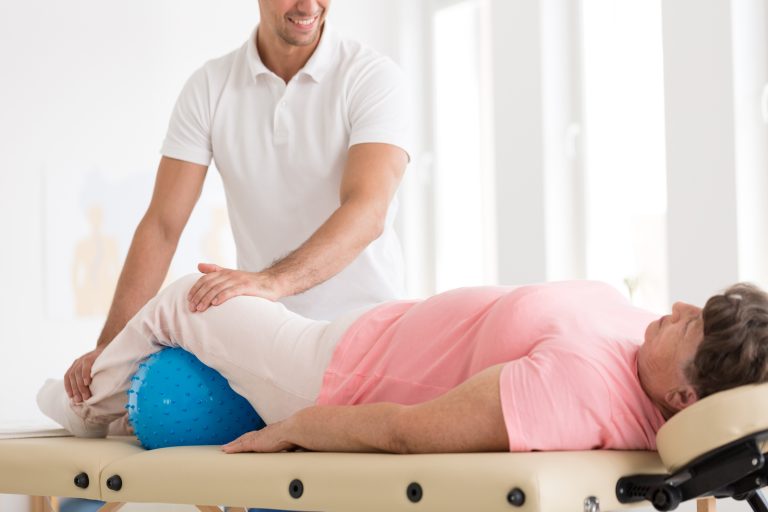
Range-of-motion exercises involve moving a joint through a range assessed as appropriate for the person. The participant may perform the movement themselves (active), do part of it with help (active-assisted), or receive full assistance for a prescribed movement (passive). The physiotherapist decides which approach is appropriate and how often to do it. Daily practice may suit some participants.
For example, a participant who finds it difficult to move their arm during dressing may have a goal of taking more part in their morning routine. The physio can show the participant and their support team what the participant can do independently, when a verbal prompt is enough and when hands-on assistance is appropriate. A written program can specify the starting position, amount of help, frequency and repetitions, along with when to pause and seek advice. If a movement causes new pain or distress, stop and follow the plan’s instructions for contacting the treating team. Ask the physiotherapist to review the program before changing the movements or increasing the range. See Queensland Health’s clinical guidance on range-of-motion exercises.
When should you ask for a review?
Consider a physiotherapy review when a participant needs more help than usual, has returned home from hospital with new restrictions, or has had a fall or near miss during a transfer. A new hoist, sling or wheelchair can also prompt a review. If the participant’s needs and equipment are unchanged but new staff have joined, ask the support provider how they’ll train those workers in the current plan and whether a clinician-led refresher would help.
Refer for a participant-specific transfer review
Bayside Mobile Physio provides home-visit NDIS physiotherapy for adults with self-managed or plan-managed funding across serviced Sydney suburbs, including people living in SIL and group homes.
Refer for a transfer review. Tell us the suburb, what has changed, which transfer the team needs help with and whether there’s a current transfer plan. This helps us confirm clinician suitability and work out who should be involved in the visit.