
A practical guide for care partners and families on when to request an OT home assessment after hospital discharge, what to include in the referral and when physiotherapy may also help.
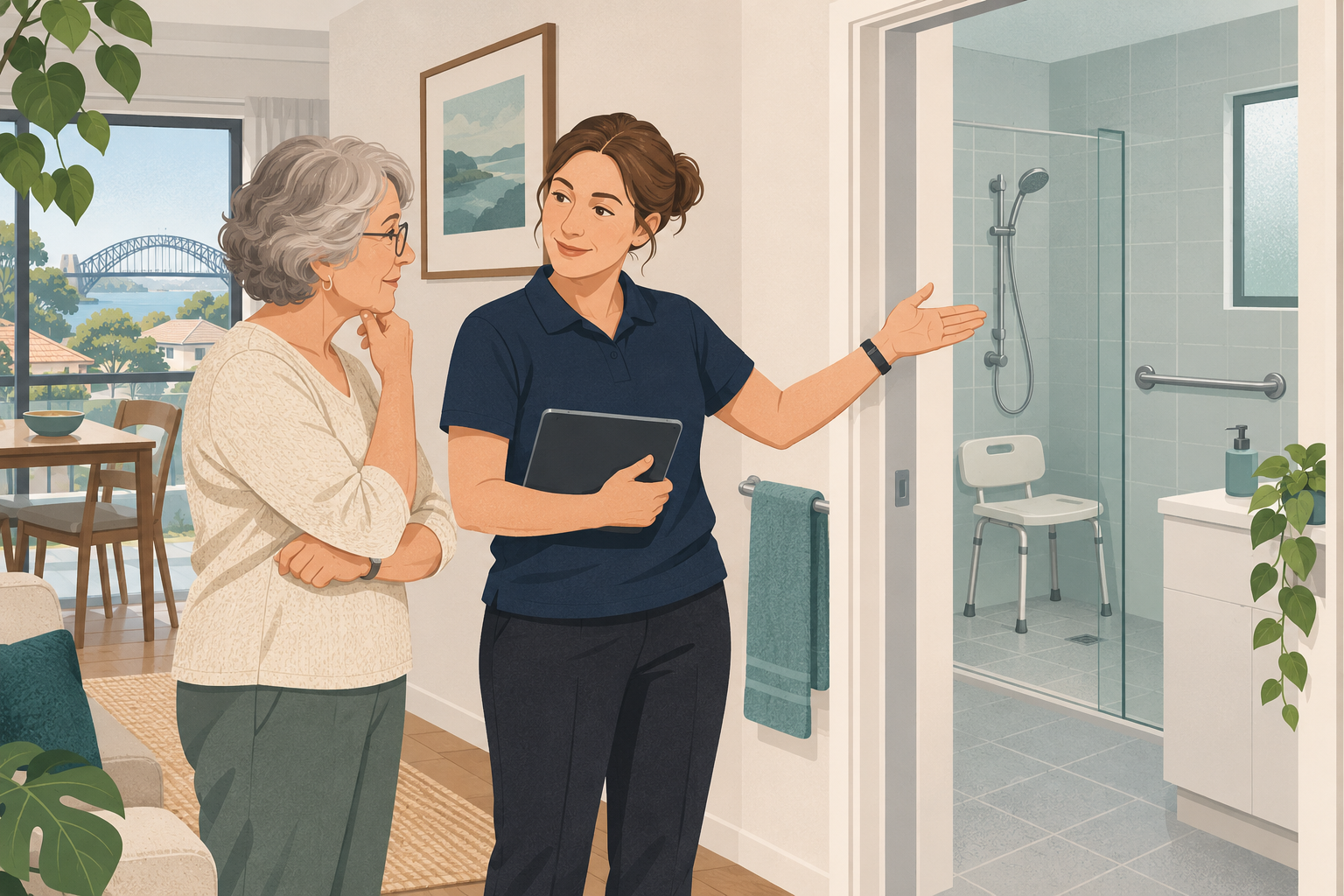
If someone is coming home from hospital and now needs help showering, getting to the toilet or managing their usual routines, ask the discharge team what has already been assessed and what follow-up is planned. An occupational therapy (OT) home assessment can help when the person is having difficulty with a daily task in their own home, or when their equipment or home setup needs a review.
When should you request an OT home assessment?
- Personal care has become harder. The person now needs help stepping into the shower, getting on and off the toilet, or getting dressed.
- The home layout creates a barrier. The person managed a task on the ward, but at home there is a shower hob, narrow doorway or step that makes it harder.
- Equipment needs reviewing. A shower chair or toilet aid was recommended, but the family is unsure whether it fits the space or works with the help available at home.
- Daily routines have changed. The person now needs reminders or practical help to prepare meals, organise clothes or complete another familiar task.
If the person is still in hospital and you are worried they may be unable to manage an essential task at home, raise it with the discharge team before they leave. Ask what equipment, assistance or follow-up needs to be arranged and who will organise it. See NSW Health’s guide to going home from hospital.
What does the OT look at during a home visit?
The OT starts with the activity the person wants or needs to manage. For example, if showering is the concern, they may consider how the person gets to the bathroom, enters the shower and manages the task with their usual equipment and support. Where appropriate, the OT discusses or observes relevant parts of the activity with the person’s consent.
Recommendations may include changing the setup or routine, arranging an equipment trial, reviewing the help available or considering further assessment. The home safety and daily living assessment page explains what a visit can cover.
Should you refer to an OT, a physiotherapist or both?
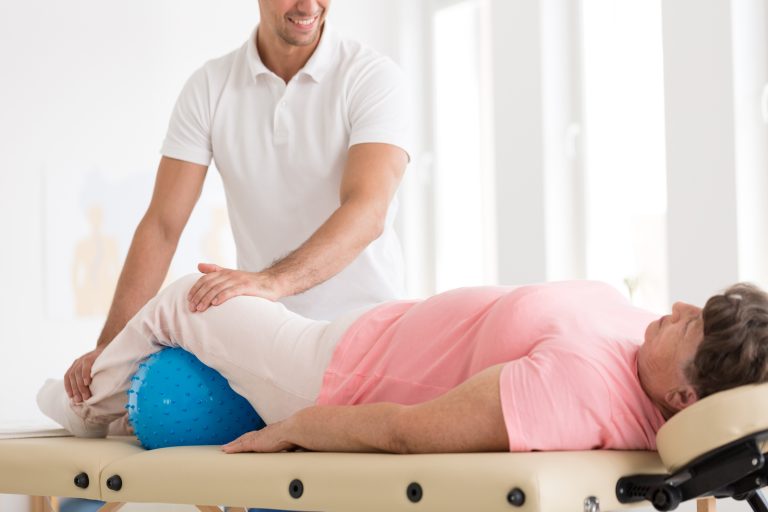
Describe what the person is struggling to do. If the main concern is walking, balance, strength or using a walking aid, a physiotherapy assessment may be appropriate. If the difficulty is managing a daily activity within the home setup, consider OT. Both may be useful when the issues are connected.
For example, if someone is unsteady walking to the bathroom and also needs help stepping over the shower hob, a physiotherapist can assess their walking and balance, while an OT can assess how the bathroom setup affects showering.
What to include in the referral
- The person’s suburb, preferred contact and consent to share relevant information.
- The daily tasks that changed and what help is currently available.
- The discharge summary and relevant OT or physiotherapy recommendations, where available and shared with consent.
- Equipment already supplied or ordered, and any follow-up that has been arranged.
- The funding type, any provider approvals and any report requirements.
For Support at Home clients, speak with the registered aged care provider or care partner about arranging the visit and confirming funding approval. If you are unsure what to request, see our guide to choosing an OT assessment.
Refer for an OT home assessment in Sydney
Tell Bayside Mobile Physio what has changed since discharge, where the person lives and what they need help with. We’ll confirm whether the referral fits our service, clinician availability and any reporting requirements before booking.