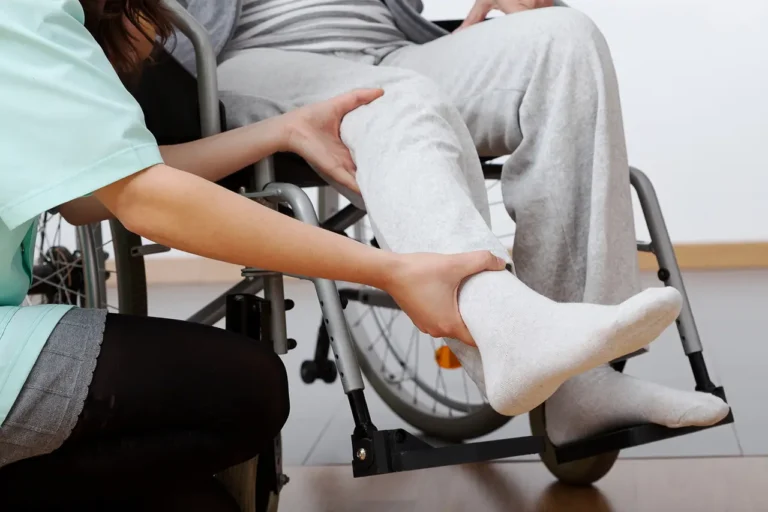

If you’ve never had a physiotherapist visit you at home before, it’s completely natural to wonder what the experience will be like. Will it be similar to a clinic appointment? What will the physiotherapist actually do? How long will it take? What should you prepare?
At Bayside Mobile Physio, we provide in-home physiotherapy across Greater Sydney for aged care clients, NDIS participants, DVA veterans, and private clients. We understand that knowing what to expect can make a big difference to how comfortable and confident you feel before your first visit.
This guide walks you through exactly what happens during a first home physiotherapy visit — from booking to the end of your initial assessment — so you know what to expect every step of the way.
Before Your First Visit — What to Prepare
Once you’ve requested a home visit or been referred by your support coordinator or case manager, here’s what to have ready before your physiotherapist arrives:
Your medical history: Think about any relevant medical conditions, previous injuries, surgeries, or hospitalisations. You don’t need to have documents prepared — your physiotherapist will ask questions and take notes — but having a general idea of your history is helpful.
Your current medications: Some medications affect balance, strength, and pain levels — all of which are relevant to your physiotherapy assessment. Have a list of your current medications ready or keep your medication box nearby.
Your NDIS plan, aged care funding details, or health fund card: Your physiotherapist or our team will have already confirmed your funding details when booking, but having these on hand is useful for reference.
Comfortable clothing: Wear loose, comfortable clothing that allows your physiotherapist to assess your movement. For lower limb assessments, shorts or loose trousers are ideal. For shoulder or upper limb assessments, a singlet or loose shirt works well.
A list of your goals: Think about what you’d like to achieve from physiotherapy. Do you want to walk more confidently? Reduce your pain? Get back to a specific activity? Having your goals in mind helps your physiotherapist design the most relevant program for you.
What Happens When Your Physiotherapist Arrives
Your physiotherapist will arrive at your home at the scheduled time. Here’s what to expect from the moment they arrive:
Introduction and rapport building: Your physiotherapist will introduce themselves, explain who they are, and take a few minutes to make you feel comfortable before the assessment begins. Building rapport is an important part of the process — particularly for clients who may feel anxious about having someone new in their home.
Review of your medical history: Your physiotherapist will ask you questions about your medical history, current health conditions, medications, previous injuries and surgeries, and any recent changes to your health. This information helps them understand your overall health picture before assessing your physical function.
Discussion of your goals: Your physiotherapist will ask what you’re hoping to achieve from physiotherapy — your goals, priorities, and what matters most to you. This is an important conversation because your treatment program will be built around your individual goals, not a generic template.
The Physical Assessment
After gathering your medical history and discussing your goals, your physiotherapist will conduct a physical assessment. This typically includes:
Strength testing: Your physiotherapist will assess the strength of the muscle groups most relevant to your condition and goals — commonly the legs, hips, core, and arms. Strength testing is usually gentle and involves pushing against light resistance.
Balance and coordination assessment: Your physiotherapist will assess your standing balance, sitting balance, and coordination. This may involve standing with your feet together, standing on one leg, or walking a short distance while your physiotherapist observes your gait.
Range of motion assessment: Your physiotherapist will assess how well your joints move — checking for stiffness, pain, or restricted movement in areas relevant to your condition.
Functional assessment: Your physiotherapist will observe how you perform everyday functional tasks — getting up from a chair, walking, climbing stairs, or reaching overhead — to understand how your condition affects your daily life.
Home environment assessment: As part of a home visit, your physiotherapist has the unique advantage of being able to assess your home environment. They will look for potential hazards — loose rugs, poor lighting, lack of grab rails, uneven surfaces — and make recommendations to improve your safety at home.
Your Treatment Plan
At the end of your initial assessment, your physiotherapist will discuss their findings with you and explain what they recommend in terms of treatment. This typically includes:
A diagnosis or clinical impression: Your physiotherapist will explain what they have found and what they believe is contributing to your symptoms, reduced function, or falls risk.
Your personalised treatment program: Your physiotherapist will outline a treatment program tailored specifically to your goals, condition, and level of function. This will include the types of treatment they recommend, the frequency of visits, and what you can do between sessions to support your progress.
Your home exercise program: In most cases your physiotherapist will prescribe a simple home exercise program for you to do between sessions. They will demonstrate each exercise clearly, explain why it is important, and make sure you feel confident performing it independently.
Reporting and communication: If you are funded through an aged care program, NDIS, or DVA, your physiotherapist will explain how they will communicate with your support coordinator, case manager, or GP and what documentation they will provide.
How Long Does a First Home Physiotherapy Visit Take?
An initial home physiotherapy assessment typically takes around 60 minutes. Follow-up sessions are generally shorter — usually 45 to 60 minutes — as the assessment component is complete and sessions focus on treatment and exercise progression.
Your physiotherapist will let you know how long to expect each visit to take when booking.
How Many Visits Will I Need?
The number of visits you need depends entirely on your individual condition, goals, and level of function. Some clients achieve their goals in 4–6 sessions, while others with more complex conditions benefit from ongoing regular physiotherapy over a longer period.
Your physiotherapist will give you a clear recommendation after your initial assessment — including how often they recommend visiting and what outcomes to expect over time. This information is also included in your initial assessment report, which is provided to your support coordinator or case manager if required.
What Funding Can I Use for Home Physiotherapy?
At Bayside Mobile Physio, we accept a wide range of funding streams including:
- Support at Home Program
- Commonwealth Home Support Programme (CHSP)
- NDIS — plan managed and self managed
- DVA — Gold and White Card
- Medicare CDM — Chronic Disease Management plan
- Private health insurance
- Private self-funded
If you’re unsure whether your funding covers home physiotherapy, contact us and we’ll help you work it out before your first appointment.
How Bayside Mobile Physio Can Help
At Bayside Mobile Physio, we pride ourselves on making your first home physiotherapy visit as comfortable, straightforward, and valuable as possible. Our AHPRA-registered physiotherapists are experienced across aged care, NDIS, rehabilitation, and community health — and they bring that expertise directly to your door across Western Sydney, the Inner West, South Sydney, and surrounding areas.
We understand that inviting a new health professional into your home requires trust — and we take that seriously. Our physiotherapists are professional, friendly, and focused entirely on helping you achieve your goals in the comfort and familiarity of your own environment.
Getting started is simple — request a free home visit today and we’ll be in touch within 24 hours to confirm your appointment.
Frequently Asked Questions
Do I need to clean or prepare my home before the physiotherapist arrives? No special preparation is needed. Simply ensure there is a clear space for movement assessment — a clear pathway through the main living area is usually sufficient. Your physiotherapist will work with whatever space is available.
Can a family member or carer be present during the visit? Absolutely — and in many cases it is encouraged, particularly for clients with cognitive impairment or communication difficulties. Having a family member or carer present can help with communication and ensures they understand the treatment plan and home exercise program.
What if I am in too much pain to do the assessment? Your physiotherapist will always work within your comfort level. If you are in significant pain, they will modify the assessment accordingly and focus on gentle assessment techniques. Pain management is often the first priority of treatment in these cases.
Will my physiotherapist bring equipment? Your physiotherapist will bring any assessment tools and basic treatment equipment needed for your visit. For exercise programs, they will typically use bodyweight exercises and everyday household items — so no special equipment is required at home.
How do I get started? Simply request a free home visit through our website or contact us directly. We’ll confirm your details, check clinician availability in your area, and call you to confirm your appointment — typically within 24 hours.
Ready to get started with in-home physiotherapy across Greater Sydney?
Request a free home visit today — we’ll confirm your appointment within 24 hours and have a physiotherapist at your door within 48–72 hours.