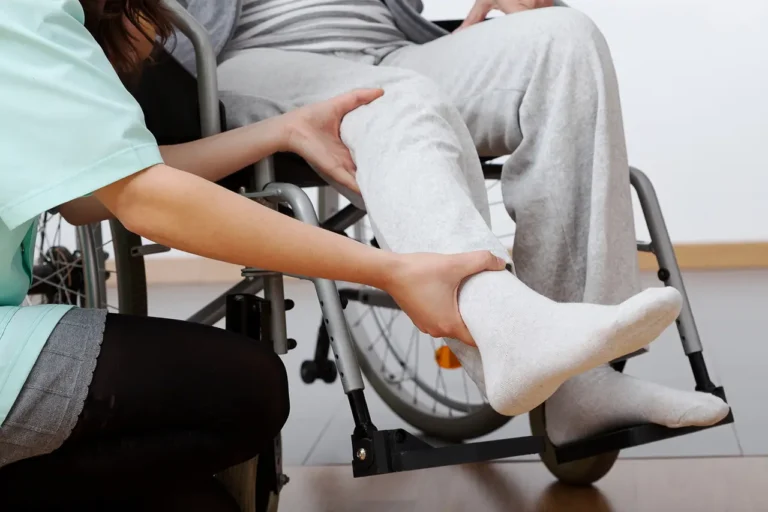

Hip and knee replacements are among the most common surgical procedures performed in Australia — and physiotherapy plays a critical role in recovery. While many patients receive physiotherapy in hospital immediately after surgery, the real work of recovery happens at home in the weeks and months that follow. The good news is that you don't …
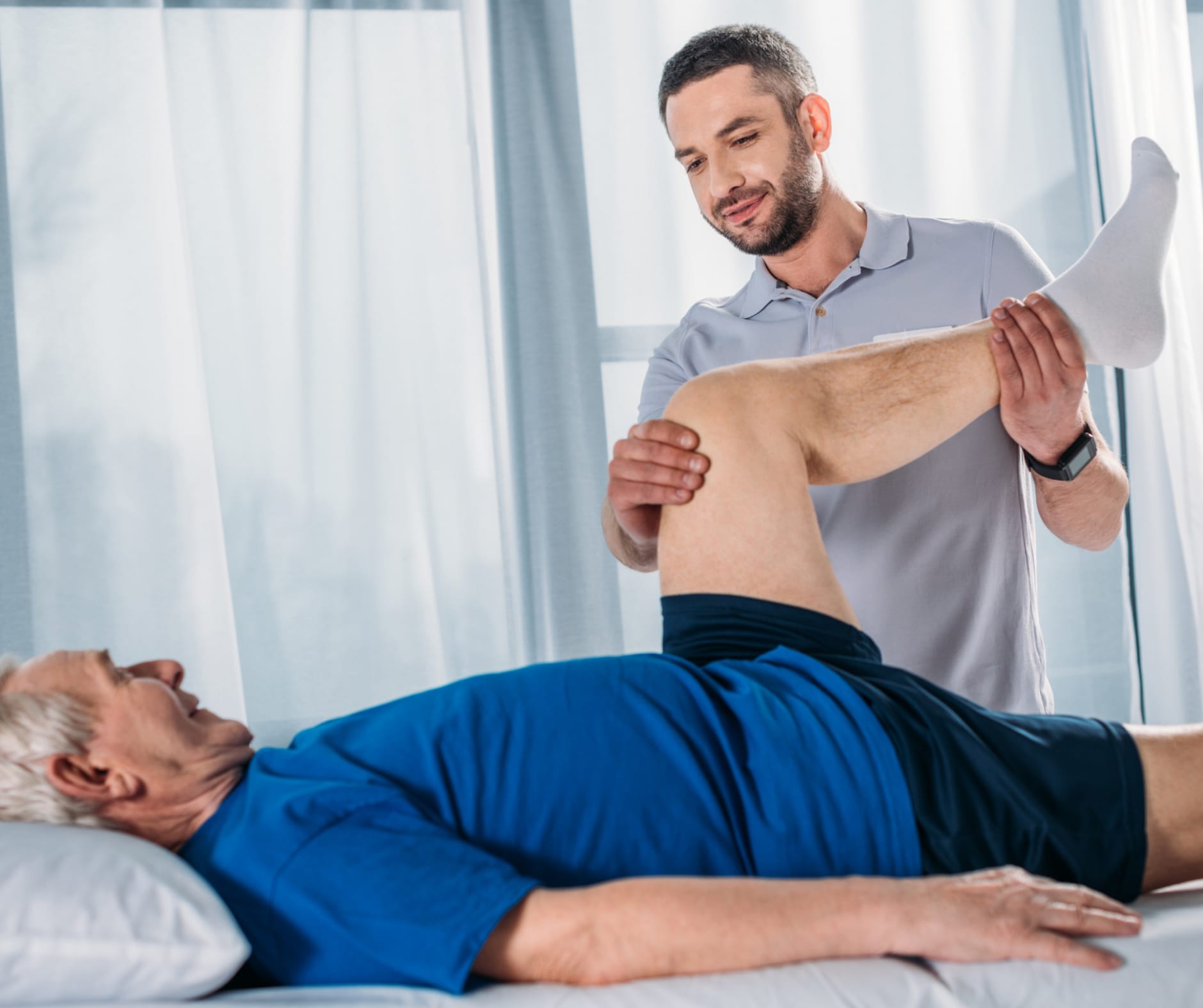
Hip and knee replacements are among the most common surgical procedures performed in Australia — and physiotherapy plays a critical role in recovery. While many patients receive physiotherapy in hospital immediately after surgery, the real work of recovery happens at home in the weeks and months that follow.
The good news is that you don’t need to travel to a clinic to access the physiotherapy you need. At Bayside Mobile Physio, we provide in-home physiotherapy for post-surgical patients across Greater Sydney — visiting you at home so you can focus entirely on your recovery in a safe, familiar environment.
This guide explains what to expect from your recovery, how physiotherapy helps after a hip or knee replacement, and what a home physiotherapy program looks like in practice.
Why Physiotherapy is Essential After a Hip or Knee Replacement
Surgery is only the first step. Without proper rehabilitation, patients risk:
- Stiffness and reduced range of motion in the new joint
- Muscle weakness around the hip or knee
- Increased risk of falls during recovery
- Slower return to daily activities
- Poor long-term outcomes from the surgery
Physiotherapy after joint replacement surgery is not optional — it is a clinically essential part of your recovery. Research consistently shows that patients who engage in structured physiotherapy programs recover faster, regain more function, and achieve better long-term outcomes than those who don’t.
What Does Recovery Look Like After a Hip or Knee Replacement?
Every patient’s recovery is different, but here is a general timeline of what to expect:
Week 1–2 — Early Recovery The first two weeks after surgery are focused on managing pain and swelling, beginning gentle movement, and preventing complications such as blood clots. Most patients are discharged from hospital within 3–5 days and continue recovery at home.
Week 2–6 — Building Strength and Mobility During this phase the focus shifts to gradually increasing range of motion, building strength in the muscles surrounding the joint, and improving walking ability and balance. Most patients are walking with a walking frame or crutches during this period.
Week 6–12 — Functional Recovery By 6–12 weeks most patients are moving more independently and working towards returning to daily activities such as climbing stairs, getting in and out of a car, and light household tasks.
3–12 Months — Full Recovery Full recovery from a hip or knee replacement can take up to 12 months. Ongoing physiotherapy during this phase focuses on building strength, improving function, and returning to activities the patient enjoys.
How In-Home Physiotherapy Supports Your Recovery
In-home physiotherapy offers significant advantages over clinic-based care for post-surgical patients:
No travel required In the early weeks of recovery, travelling to a clinic can be painful, difficult, and risky. In-home physiotherapy eliminates this barrier entirely — your physiotherapist comes to you.
Treatment in your own environment Your physiotherapist can assess your home environment, identify hazards, and design a rehabilitation program that prepares you for the specific challenges of your own home — your stairs, your bathroom, your furniture.
Consistent clinician At Bayside Mobile Physio, the same physiotherapist visits you every session. Consistency is important in post-surgical recovery — your physiotherapist tracks your progress, adjusts your program as you improve, and builds a rapport that supports your motivation and confidence.
Flexible scheduling Home visits can be scheduled at a time that suits you — no waiting rooms, no transport arrangements, no disruption to your recovery routine.
What Does a Home Physiotherapy Program Look Like After Joint Replacement?
A typical home physiotherapy program after hip or knee replacement includes:
Initial Assessment Your first session will involve a thorough assessment of your surgical history, current pain levels, range of motion, strength, and functional ability. Your physiotherapist will also assess your home environment for safety hazards and identify your personal goals for recovery.
Exercise Program Your physiotherapist will design a personalised home exercise program including:
- Range of motion exercises to restore movement in the new joint
- Strengthening exercises for the muscles supporting the hip or knee
- Balance and coordination training to reduce falls risk
- Walking and gait retraining
- Functional exercises — stairs, sitting, standing, getting in and out of bed
Manual Therapy Hands-on treatment to reduce stiffness, improve joint mobility, and manage scar tissue around the surgical site.
Education and Advice Your physiotherapist will provide guidance on activity modification, pain management, safe movement patterns, and what to expect at each stage of recovery.
Progress Monitoring Your physiotherapist will monitor your progress at each visit, adjust your program as you improve, and communicate with your surgeon or GP as required.
When Should I Start Physiotherapy After a Hip or Knee Replacement?
Physiotherapy should begin as soon as possible after surgery — ideally within the first few days of returning home from hospital. Early physiotherapy is associated with faster recovery, fewer complications, and better long-term outcomes.
At Bayside Mobile Physio, we can typically commence within 48–72 hours of receiving a referral. If you or a family member has recently been discharged from hospital following joint replacement surgery, contact us today to arrange an in-home assessment.
Who Pays for Home Physiotherapy After Joint Replacement?
Post-surgical physiotherapy can be funded through a number of different streams depending on your circumstances:
- Private Health Insurance — most extras policies cover physiotherapy — check your policy for annual limits and rebate amounts
- Medicare CDM — if you have a chronic condition your GP may be able to refer you for up to 5 Medicare-funded allied health sessions under a Chronic Disease Management plan
- DVA — Gold Card holders are entitled to physiotherapy for all conditions including post-surgical rehabilitation
- Support at Home / Home Care Packages — if you are an aged care client your case manager may be able to include physiotherapy in your care plan
- NDIS — if you are an NDIS participant physiotherapy may be funded under your Capacity Building supports
- Private / Self-Funded — no referral needed — contact us directly for our fee schedule
How Bayside Mobile Physio Can Help
At Bayside Mobile Physio, we specialise in in-home physiotherapy for post-surgical patients across Western Sydney, the Inner West, South Sydney, and surrounding areas. Our AHPRA-registered physiotherapists visit patients at home, in aged care facilities, and in group homes — making high-quality rehabilitation accessible without the need to travel.
We accept a wide range of funding streams including private health insurance, Medicare CDM, DVA, Support at Home, NDIS, and private self-funded clients.
If you or a loved one has recently had a hip or knee replacement and needs in-home physiotherapy support, we’d love to help. Getting started is simple — request a free home visit today or ask your surgeon, GP, or hospital discharge team to refer you to Bayside Mobile Physio.
Frequently Asked Questions
How soon after surgery should I start physiotherapy at home? As soon as possible — ideally within the first few days of returning home from hospital. Early physiotherapy leads to better outcomes. Contact us and we can typically commence within 48–72 hours.
How many physiotherapy sessions will I need? This varies depending on the individual. Most patients benefit from weekly sessions for the first 6–12 weeks, with frequency reducing as they progress. Your physiotherapist will advise based on your specific needs and goals.
Can I claim home physiotherapy through my private health insurance? Yes — most extras policies cover physiotherapy. Check your policy for annual limits and rebate amounts. We provide receipts for all sessions.
Do I need a referral from my surgeon? For private and self-funded clients, no referral is needed. For Medicare CDM, DVA, and some other funding streams, a GP or specialist referral may be required. Contact us and we’ll help you work out the right pathway.
What areas do you cover? We service patients across Greater Sydney including Western Sydney, Inner West, South Sydney, Parramatta, Blacktown, Penrith, Campbelltown, Liverpool, Ashfield, and surrounding suburbs.
Recovering from a hip or knee replacement in Greater Sydney? Contact Bayside Mobile Physio today — we’ll visit you at home and design a personalised rehabilitation program to get you moving again as quickly and safely as possible.