
A practical guide for stroke survivors and families arranging physiotherapy after hospital, including home-visit preparation, care coordination and funding questions.
Returning home after a stroke raises practical questions about movement, safety and ongoing therapy. This guide explains how home physiotherapy can fit into your discharge plan, what to prepare for an assessment and how to coordinate appointments with your care team.
For appointments and service details, see our stroke rehabilitation physiotherapy service in Sydney.
What Is Stroke Recovery Physiotherapy?
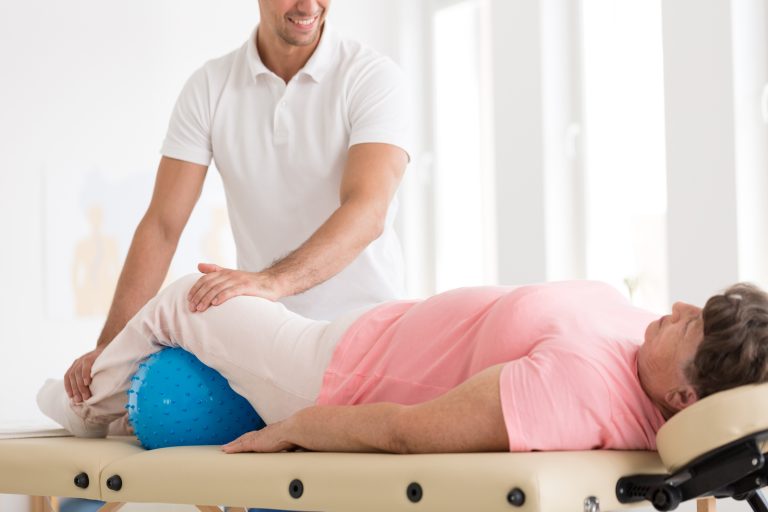
Stroke recovery physiotherapy is a structured, evidence-based program designed to help stroke survivors regain movement, strength, balance, and independence after a stroke. A stroke can affect the brain’s ability to control movement on one or both sides of the body, making everyday tasks like walking, standing, and getting dressed difficult or impossible without support.
Rehabilitation uses practice and activities to help you relearn skills or find different ways to manage daily tasks. Recovery varies from person to person. The Stroke Foundation explains stroke rehabilitation and the options available after hospital.
When might home physiotherapy be suitable?
Your hospital team should discuss the most appropriate rehabilitation setting with you before discharge. Depending on your needs, this may involve inpatient rehabilitation, outpatient appointments, home visits or telehealth.
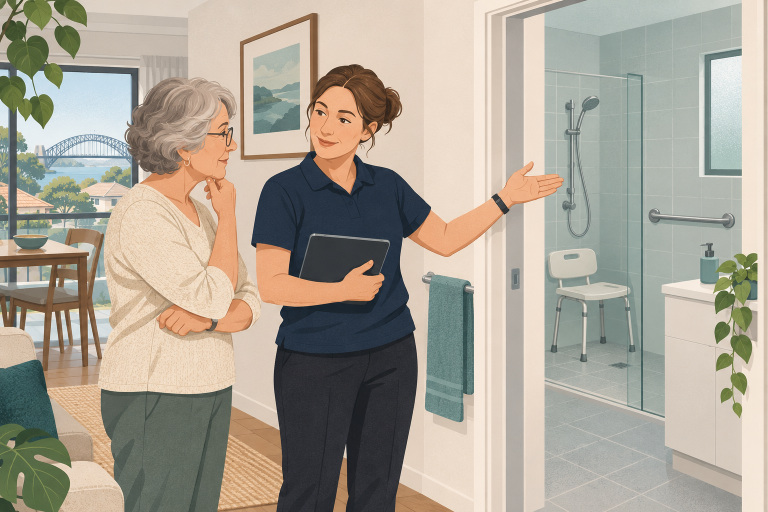
Home physiotherapy lets your clinician assess movement in the places you use every day. Sessions can include practising transfers from your usual chair, walking between rooms or managing steps where appropriate. It also avoids travel to a clinic, which may be helpful when transport or fatigue makes attending appointments difficult.
Family members and carers can be involved with your consent. Your treating team can explain what support is appropriate between appointments. Home visits are one option within your rehabilitation plan; the right setting and level of support depend on your clinical needs.
What Does a Mobile Stroke Physiotherapist Do at Home?
At Bayside Mobile Physio, our stroke physiotherapy sessions are tailored to each client’s goals, stage of recovery, and living environment. A typical home visit may include:
- Mobility and gait assessment — evaluating how you walk, transfer, and move around your home
- Balance and falls prevention training — reducing the risk of falls which are common after stroke
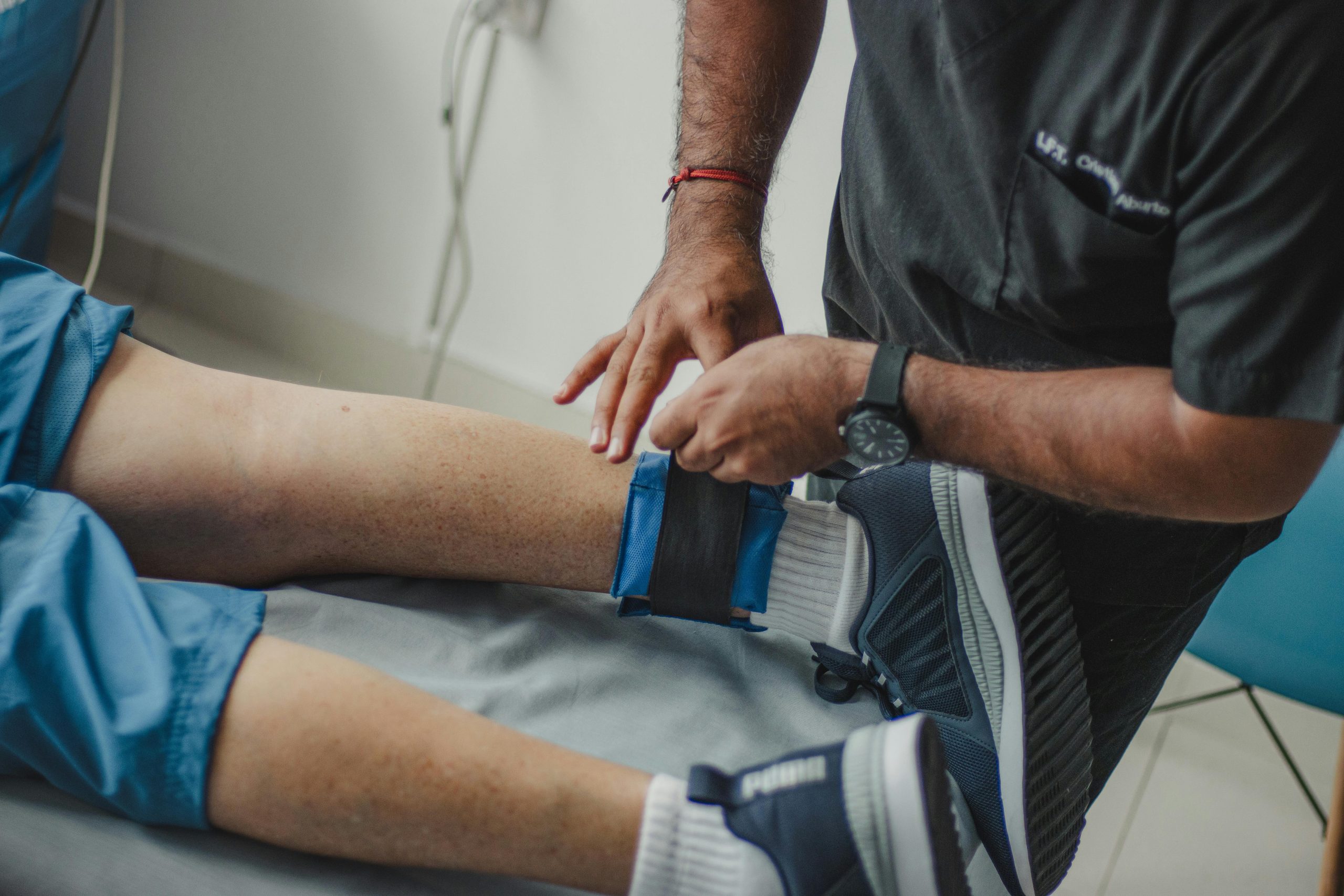
- Strength and coordination exercises — rebuilding muscle function on affected sides of the body
- Upper limb rehabilitation — restoring arm and hand function for daily tasks
- Neurological re-education — exercises that retrain the brain-body connection
- Home exercise program — a personalised program you can do between visits
- Equipment recommendations — walking frames, rails, or assistive devices to support safe movement
- Progress reporting — particularly important for NDIS and aged care funded clients
Our neurological physiotherapy sydney service covers stroke, Parkinson’s disease, MS and brain injury rehabilitation — all delivered as home visits across Sydney.
How NDIS and Aged Care Funding Covers Stroke Recovery Physiotherapy
Many stroke survivors in Sydney are eligible for funded physiotherapy through government programs. Bayside Mobile Physio works with the following funding streams:
NDIS: We work with self-managed and plan-managed participants. Funding must be appropriate to your disability-related needs and plan arrangements. Our team confirms the proposed service and billing arrangements before appointments. See our NDIS physiotherapy service.
Support at Home: Speak with your care partner about physiotherapy within your approved support plan. Your registered aged care provider confirms funding and service arrangements. Read about our Support at Home physiotherapy service.
Private / Self-Funded We also accept private clients who wish to self-fund their stroke rehabilitation.
How does home physiotherapy fit into discharge planning?
Rehabilitation should begin when your healthcare team considers it clinically appropriate. Before leaving hospital, ask who will coordinate ongoing rehabilitation and which services have been arranged. The Australian Stroke Clinical Care Standard describes individual assessment, discharge planning and continuing rehabilitation.
If you are already home, speak with your GP or rehabilitation team about your current needs. A home assessment can help identify practical movement goals and whether additional services are needed.
What should I prepare for the first home visit?
- Your discharge summary, rehabilitation plan and relevant precautions.
- Details of your GP, rehabilitation team and other treating therapists.
- Your current walking aid or other mobility equipment.
- The everyday activities you find difficult and your priorities for therapy.
- Information about home access, stairs and available carer support.
- Funding, referral and billing details, where applicable.
Let us know about communication or access needs when arranging the appointment. With your consent, a family member or support person can help provide information and discuss the plan.
Stroke Recovery Physiotherapy Across Sydney — Areas We Serve
Bayside Mobile Physio delivers stroke recovery physiotherapy across Greater Sydney including:
- Inner West and South Sydney — Wolli Creek, Rockdale, Arncliffe, Hurstville, Kogarah
- Western Sydney — Bankstown, Campbelltown, Parramatta, Blacktown, Penrith, Mt Druitt
- South-Western Sydney — Liverpool, Fairfield, Cabramatta
- Northern and North-Western Sydney — areas serviced by our network
Not sure if we cover your area? Call us on 0468 079 075 and we’ll confirm availability.
Frequently Asked Questions — Stroke Recovery Physiotherapy Sydney
Q: How long does stroke recovery physiotherapy take? A: Recovery timelines vary depending on the severity of the stroke, the area of the brain affected, and how early rehabilitation begins. Some clients see significant improvement within weeks; others continue to make gains over months or years. Your physiotherapist will set realistic goals and review progress regularly.
How often should a stroke survivor have physiotherapy? Frequency is individual. Your rehabilitation team considers your needs, goals, tolerance and the overall therapy plan. Ask your treating physiotherapist how supervised sessions and activity between appointments will be coordinated.
Can NDIS funding be used for stroke physiotherapy? This depends on your disability-related needs and funding arrangements. We accept self-managed and plan-managed participants and confirm arrangements before commencing funded services.
Q: What areas of Sydney do you cover for stroke physiotherapy? A: We cover a wide range of Sydney suburbs across the Inner West, South Sydney, Western Sydney and South-Western Sydney. Call us on 0468 079 075 to confirm availability in your area.
Q: How do I book a mobile stroke physiotherapy session in Sydney? A: Call us on 0468 079 075, email [email protected], or submit a referral through our website. We’ll confirm your funding type, discuss your needs, and book your first home visit as soon as possible.
Ready to Start Stroke Recovery Physiotherapy at Home?
Bayside Mobile Physio is ready to support your recovery — wherever you call home across Sydney. Our experienced, AHPRA-registered physiotherapists bring expert stroke rehabilitation directly to you, so you can focus on what matters most: getting better.
Call us on 0468 079 075, email [email protected], or request a stroke physiotherapy home visit.