
Stroke Rehabilitation at Home: How Physiotherapy Supports Recovery Stroke rehabilitation physiotherapy is one of the most important parts of recovery after a stroke. Whether you are a stroke survivor or a family member supporting a loved one through their recovery, understanding what physiotherapy can do — and when to start — can make a significant …
Stroke Rehabilitation at Home: How Physiotherapy Supports Recovery
Stroke rehabilitation physiotherapy is one of the most important parts of recovery after a stroke. Whether you are a stroke survivor or a family member supporting a loved one through their recovery, understanding what physiotherapy can do — and when to start — can make a significant difference to long-term outcomes.
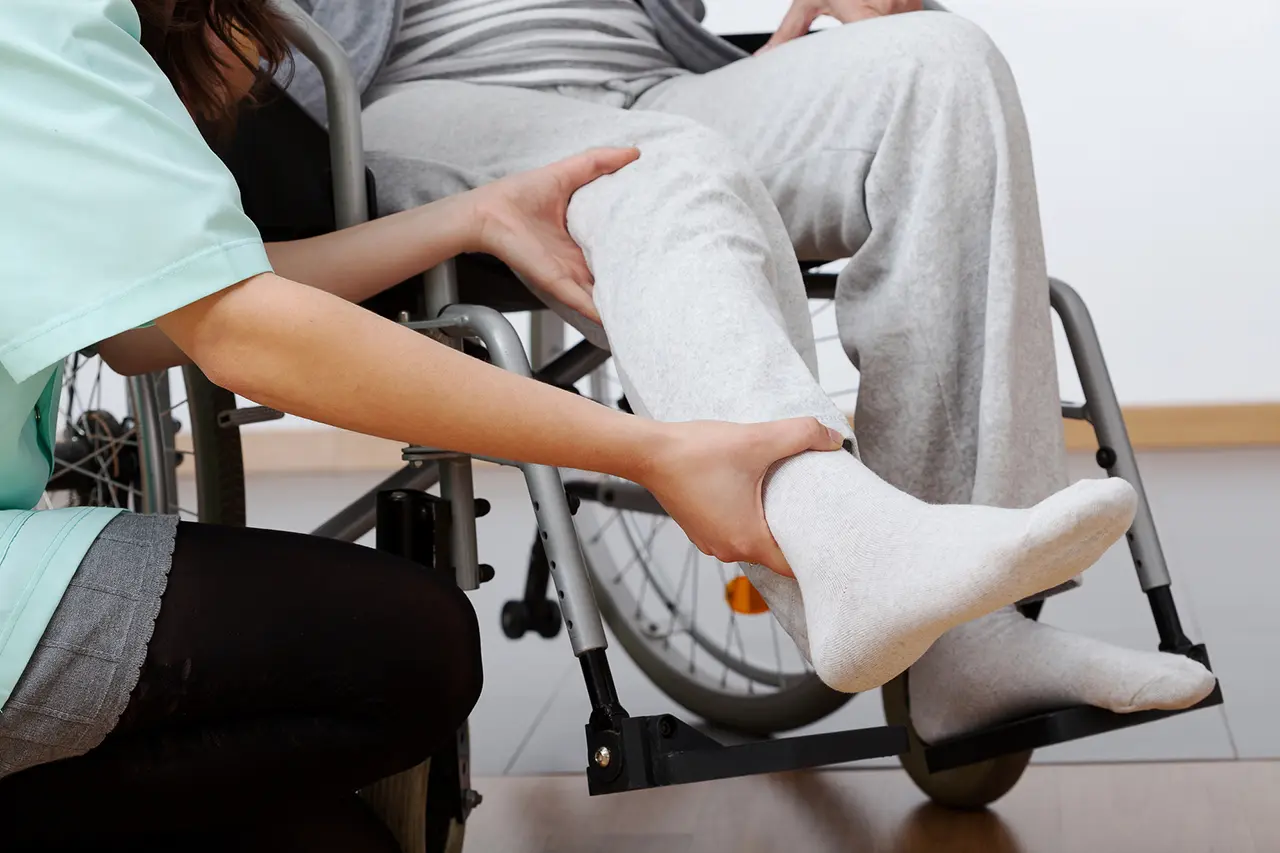
At Bayside Mobile Physio, we provide specialist stroke rehabilitation physiotherapy at home across Sydney. This means your loved one can receive evidence-based, hands-on rehabilitation in a familiar environment, without the exhaustion and difficulty of travelling to a clinic.
What Happens to the Body After a Stroke?
A stroke occurs when blood supply to part of the brain is interrupted — either by a clot (ischaemic stroke) or a bleed (haemorrhagic stroke). When brain cells are deprived of oxygen, they are damaged or die. This can affect movement, sensation, speech, cognition, and emotion — depending on which part of the brain is affected.
Common physical effects of stroke include:
- Weakness or paralysis on one side of the body (hemiplegia or hemiparesis)
- Difficulty walking, with reduced balance and coordination
- Reduced arm and hand function — affecting daily tasks like dressing, eating, and writing
- Muscle stiffness or spasticity
- Fatigue — one of the most common and often underestimated effects of stroke
- Shoulder pain, particularly on the affected side
- Sensory changes — numbness, tingling, or altered sensation
The good news is that the brain has a remarkable ability to adapt and rewire itself — a process called neuroplasticity. Physiotherapy harnesses this capacity through targeted, repetitive movement and exercise.
When Should Stroke Rehabilitation Physiotherapy Begin?
The short answer: as soon as safely possible. Research consistently shows that early rehabilitation leads to better outcomes. In hospital, the stroke team will begin physiotherapy within the first 24–48 hours where appropriate.
However, recovery does not stop at hospital discharge — and this is where many families feel lost. The transition from hospital to home can be a vulnerable period, with reduced therapy intensity at exactly the time it is still critically needed.
Continuing stroke rehabilitation physiotherapy at home after discharge is essential for maintaining and building on the gains made in hospital. The brain continues to adapt and recover for months — and in some cases years — after a stroke. It is never too late to benefit from physiotherapy.
What Does Stroke Rehabilitation Physiotherapy Involve?
At Bayside Mobile Physio, every stroke rehabilitation program begins with a comprehensive assessment. From there, treatment is built around the individual’s specific deficits, goals, and home environment. Common components include:
Mobility and Walking Rehabilitation
Relearning to walk safely is often the top priority for stroke survivors and their families. Your physiotherapist will work on gait retraining, walking aids, balance, and building the strength and coordination needed for safe community mobility.
Balance and Falls Prevention
Stroke significantly increases the risk of falling. Balance rehabilitation — including standing practice, weight-shifting exercises, and challenging balance tasks — is a core part of every stroke rehab program. We also assess the home environment for hazards and recommend practical modifications.
Upper Limb Rehabilitation
Recovering arm and hand function requires intensive, task-specific practice. Your physiotherapist will guide you through exercises targeting reaching, gripping, and fine motor tasks — activities that directly relate to dressing, eating, personal hygiene, and other daily tasks that matter to you.
Spasticity Management
Muscle stiffness and spasticity are common after stroke and can interfere with movement and comfort. Your physiotherapist will use stretching, positioning, splinting advice, and specific exercises to manage spasticity and prevent contractures.
Fatigue Management
Post-stroke fatigue is real and often debilitating. Your physiotherapist will help you understand your fatigue patterns, structure your activity and rest appropriately, and gradually build your endurance over time — without pushing through to the point of exhaustion.
Transfer and Functional Training
Getting in and out of bed, chairs, the car, and the shower are fundamental daily tasks. Your physiotherapist will work on these transfers with you and your carer in your actual home — making sure you are as safe and independent as possible in your own environment.
Carer Education and Support
Family members and carers play a vital role in stroke recovery. Your physiotherapist will teach carers how to assist with exercises and transfers safely, how to encourage practice between sessions, and how to recognise signs that warrant medical attention.
How Long Does Stroke Rehabilitation Take?
Recovery timelines vary widely depending on the severity of the stroke, which areas of the brain were affected, the person’s age and overall health, and how consistently rehabilitation is carried out.
Most significant neurological recovery occurs in the first three to six months after stroke — which is why this period is sometimes called the “golden window” for rehabilitation. However, meaningful improvements can continue for years with ongoing therapy and practice.
At Bayside Mobile Physio, we work with you and your family to set realistic, motivating goals and review progress regularly. Treatment frequency is adjusted as your recovery evolves.
Why Home-Based Stroke Rehabilitation Works
Travelling to a clinic after a stroke is genuinely difficult — and for many survivors, it is a barrier that leads to missed appointments and reduced therapy intensity. Home-based rehabilitation removes that barrier entirely.
Beyond convenience, there are clinical advantages to treating stroke survivors at home:
- Practice happens in the environment where function actually matters — your own bedroom, bathroom, kitchen, and garden
- Transfers and mobility can be assessed and trained on your actual furniture, floors, and stairs
- Carers can be actively involved in sessions, not left in a waiting room
- Fatigue is better managed without the drain of travel before and after sessions
- Sessions can be scheduled around the patient’s best time of day — when energy and alertness are highest
Is Stroke Rehabilitation Physiotherapy Covered by Medicare or NDIS?
Several funding pathways may be available depending on your circumstances:
- Medicare CDM (Chronic Disease Management): Your GP can set up a GP Management Plan and Team Care Arrangement to provide up to five Medicare-rebated allied health sessions per year. Learn more about CDM physiotherapy referrals.
- NDIS: Stroke survivors under 65 who meet the NDIS access criteria may be eligible for physiotherapy funding under their Capacity Building budget.
- Support at Home: Older Australians (65+) receiving aged care support at home may be able to access physiotherapy through their home care package or Support at Home program.
- DVA: Veterans with a DVA Gold or White Card may be entitled to physiotherapy with no or minimal out-of-pocket cost.
- Private health insurance: Many extras policies include physiotherapy rebates.
- Private (self-funded): All patients are welcome to self-fund their care.
If you are unsure which pathway applies to you, contact us and we will help you work it out.
Questions Families Often Ask
“My family member had their stroke over a year ago — is it too late for physiotherapy?”
No. While the early months are the most intensive period of neurological recovery, the brain retains the ability to adapt and improve for years. People continue to make meaningful gains in strength, balance, and function well beyond the first year — particularly with structured, goal-directed physiotherapy.
“How often will the physiotherapist visit?”
This depends on the individual’s needs, goals, and funding. In the early stages of community rehabilitation, we often recommend two sessions per week. As recovery progresses and a home exercise program is established, this may reduce to weekly or fortnightly. We review frequency regularly with you and your family.
“What do I need to have at home for the sessions?”
Very little. Our physiotherapists bring any equipment needed for the session. You will need a clear space to work in — a lounge room or bedroom is usually sufficient. We will advise on any specific equipment (such as a walking aid or exercise band) that might be helpful to have between sessions.
“Can the physio work alongside our occupational therapist or speech pathologist?”
Absolutely — and we encourage it. Stroke recovery is best supported by a coordinated multidisciplinary team. We are experienced in working alongside occupational therapists, speech pathologists, neurologists, and GPs, and we are happy to communicate directly with your existing treating team.
Get Started with Stroke Rehabilitation Physiotherapy in Sydney
If you or a family member is recovering from a stroke in Sydney, Bayside Mobile Physio is here to help. Our experienced mobile physiotherapists provide compassionate, evidence-based stroke rehabilitation at home — giving you the best possible foundation for recovery.
You do not need a referral to get started. Simply contact us and we will guide you through the process, including how to access any applicable funding.
Contact Bayside Mobile Physio:
- Phone: 0468 079 075
- Email: [email protected]
- Website: baysidemobilephysio.com.au
Further Reading
- Stroke Foundation — Recovery after stroke
- Stroke Foundation — EnableMe community and resources
- Australian Physiotherapy Association — Stroke resources
— Published by Bayside Mobile Physio | Sydney Mobile Physiotherapy Services