
Osteoarthritis of the Hip or Knee: How Physiotherapy Can Help Osteoarthritis physiotherapy in Sydney is one of the most effective — and most underused — treatments available for people living with hip or knee pain. If you or someone you care for has been told they have osteoarthritis, physiotherapy should be one of the first …
Osteoarthritis of the Hip or Knee: How Physiotherapy Can Help
Osteoarthritis physiotherapy in Sydney is one of the most effective — and most underused — treatments available for people living with hip or knee pain. If you or someone you care for has been told they have osteoarthritis, physiotherapy should be one of the first things you explore, not the last.
This article explains what osteoarthritis is, why physiotherapy works, what treatment looks like, and how Bayside Mobile Physio can provide evidence-based care in the comfort of your own home — no clinic travel required.
What Is Osteoarthritis?
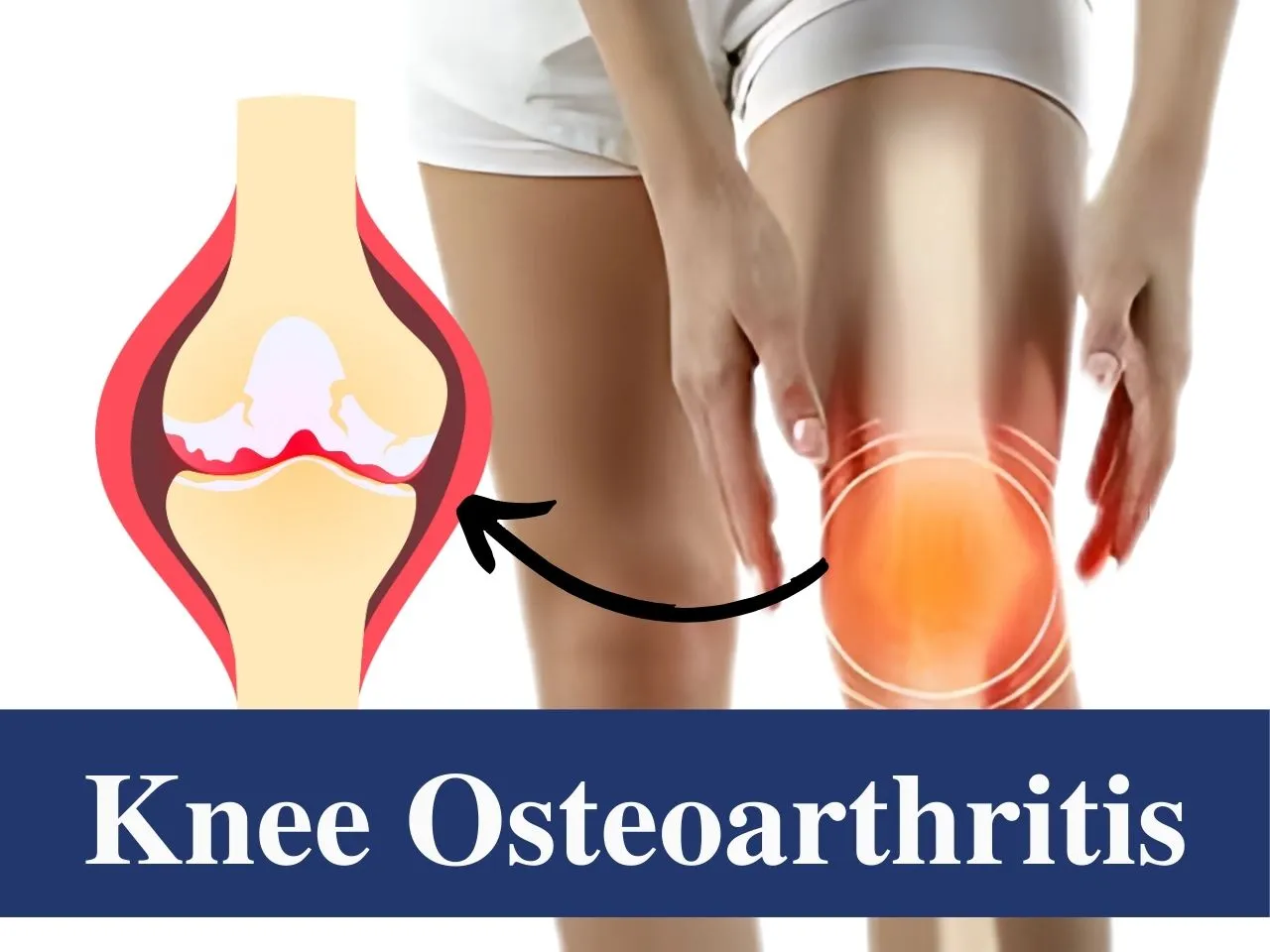
Osteoarthritis (OA) is the most common form of arthritis in Australia, affecting over 2.1 million Australians. It is a condition of the whole joint — involving the cartilage, bone, muscles, and surrounding tissues — most commonly affecting the hips and knees.
Contrary to what many people believe, osteoarthritis is not simply “wear and tear” that gets worse no matter what you do. Research now shows that with the right management, symptoms can be significantly reduced and function meaningfully improved — often without surgery.
Common symptoms include:
- Pain or aching in the hip or knee, often worse after activity or first thing in the morning
- Stiffness, particularly after sitting or resting
- Swelling or warmth around the joint
- Reduced range of movement — difficulty bending, squatting, or climbing stairs
- A feeling of grinding, clicking, or instability in the joint
Symptoms vary widely. Some people have significant cartilage changes on imaging but very little pain; others have severe pain with relatively mild imaging findings. This is why treatment must be personalised — and why physiotherapy, which addresses the whole person, is so effective.
Why Physiotherapy Is the First-Line Treatment for Osteoarthritis
Clinical guidelines from Arthritis Australia, the Royal Australian College of General Practitioners (RACGP), and international bodies consistently recommend exercise and physiotherapy as the cornerstone of osteoarthritis management — ahead of pain medication, injections, or surgery.
The evidence is clear: structured exercise reduces pain, improves joint function, builds the muscle support around the joint, and can delay or even prevent the need for joint replacement surgery.
A physiotherapist can also:
- Identify movement patterns that are aggravating your symptoms and correct them
- Prescribe a safe, individualised exercise program tailored to your current capacity
- Advise on activity modification so you can keep doing what matters to you
- Provide hands-on treatment including joint mobilisation and soft tissue therapy
- Educate you on load management, weight, footwear, and assistive devices
- Support you in preparing for — or recovering from — joint replacement surgery
For a comprehensive overview of the evidence, the Osteoarthritis Australia (MOVE muscle, bone & joint health) website is an excellent resource.
What Does Osteoarthritis Physiotherapy Treatment Involve?
Every patient’s program is different, but a typical course of osteoarthritis physiotherapy at Bayside Mobile Physio includes the following:
Initial Assessment
Your physiotherapist will conduct a thorough assessment covering your pain, functional limitations, goals, medical history, medications, and home environment. They will assess your joint range of motion, muscle strength, balance, and gait. From this, they develop a treatment plan tailored specifically to you.
Exercise Therapy
Exercise is the single most important component of OA management. Your physiotherapist will prescribe a personalised home exercise program targeting the muscles around your hip or knee — typically including strengthening, flexibility, and balance exercises. These are progressed gradually as your capacity improves.
Because we treat you at home, your exercises are designed around your actual space and equipment — making them far more likely to become a sustainable part of your routine.
Manual Therapy
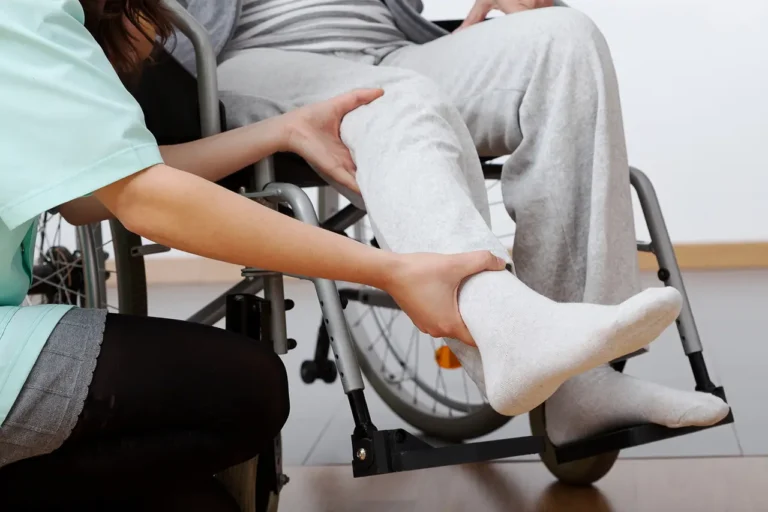
Hands-on techniques including joint mobilisation, soft tissue massage, and stretching can help reduce pain and improve range of motion, particularly in the early stages of treatment or during flare-ups.
Education and Self-Management
Understanding your condition is powerful. Your physiotherapist will explain what osteoarthritis actually is (and isn’t), what aggravates and eases symptoms, how to pace your activity, and what long-term self-management looks like. Patients who understand their condition consistently achieve better outcomes.
Assistive Equipment
Where appropriate, your physiotherapist can recommend or arrange walking aids, braces, orthotics, or home modifications to reduce load on the affected joint and improve your safety and independence.
Hip Osteoarthritis vs Knee Osteoarthritis: Is Treatment Different?
The principles of treatment are similar, but the specific exercises, joint techniques, and functional goals differ between hip and knee OA.
Hip OA commonly affects walking distance, getting in and out of a chair or car, and putting on shoes and socks. Knee OA more often affects stair climbing, squatting, and prolonged standing or walking. Your physiotherapist will tailor the program to the joint affected and the tasks that matter most to you.
Many people have OA in both joints — or in combination with other conditions such as lower back pain or diabetes. Our mobile physios are experienced in managing complex, multi-condition presentations.
Can Physiotherapy Help If I’ve Already Had a Joint Replacement?
Yes — physiotherapy is essential after hip or knee replacement surgery. The success of the surgery depends heavily on post-operative rehabilitation: regaining strength, range of motion, balance, and confidence.
Home-based rehabilitation is particularly well-suited to post-surgical patients, who often face significant challenges getting to a clinic in the early weeks after discharge. Our physiotherapists come to you, assess your home environment, and progress your rehab safely from day one.
If you are preparing for surgery and want to improve your outcomes, ask your GP about pre-operative physiotherapy (“prehab”) — the evidence strongly supports it.
Is Osteoarthritis Physiotherapy Covered by Medicare or NDIS?
Depending on your circumstances, physiotherapy for osteoarthritis may be funded through several pathways:
- Medicare CDM (Chronic Disease Management): If your GP has set up a GP Management Plan and Team Care Arrangement, you may be eligible for up to five Medicare-rebated physiotherapy sessions per calendar year. Ask your GP.
- NDIS: If you have a disability and are an NDIS participant, physiotherapy may be funded under your Capacity Building or Improved Daily Living budget.
- Support at Home: Older Australians receiving aged care support at home may be able to access physiotherapy through their package.
- DVA: Veterans with a DVA Gold or White Card may be entitled to physiotherapy services — often with no out-of-pocket cost.
- Private health insurance: Many extras policies include physiotherapy rebates. Check with your insurer.
- Private (self-funded): All patients are welcome to self-fund their care.
Not sure which funding pathway applies to you? Contact us and we’ll help you work it out.
Why Choose Mobile Physiotherapy for Osteoarthritis?
For many people with hip or knee OA, getting to a clinic is one of the hardest parts of the day. Pain, stiffness, and limited mobility make travel exhausting — and some patients simply stop going as a result.
Mobile physiotherapy removes that barrier entirely. We come to you — at home, in an aged care facility, or in your supported living environment — and provide the same high-quality, evidence-based care you would receive in a clinic.
Home visits also allow us to see exactly how you move in your own environment: how you get out of bed, navigate your bathroom, manage your stairs, and go about your daily routine. This makes our treatment far more targeted and practical than anything we could observe in a clinic setting.
Book an Osteoarthritis Physiotherapy Assessment in Sydney
If you or someone you care for is living with hip or knee osteoarthritis in Sydney, Bayside Mobile Physio can help. Our experienced mobile physiotherapists provide personalised, evidence-based treatment at home — with no waiting rooms and no travel required.
We accept referrals from GPs, specialists, support coordinators, and aged care providers, and we welcome self-referrals too. Getting started is straightforward.
Contact Bayside Mobile Physio:
- Phone: 0468 079 075
- Email: [email protected]
- Website: baysidemobilephysio.com.au
Further Reading
- Osteoarthritis — Musculoskeletal Australia
- Exercise and osteoarthritis — Arthritis Australia
- RACGP Guidelines for the Management of Hip and Knee OA
— Published by Bayside Mobile Physio | Sydney Mobile Physiotherapy Services